
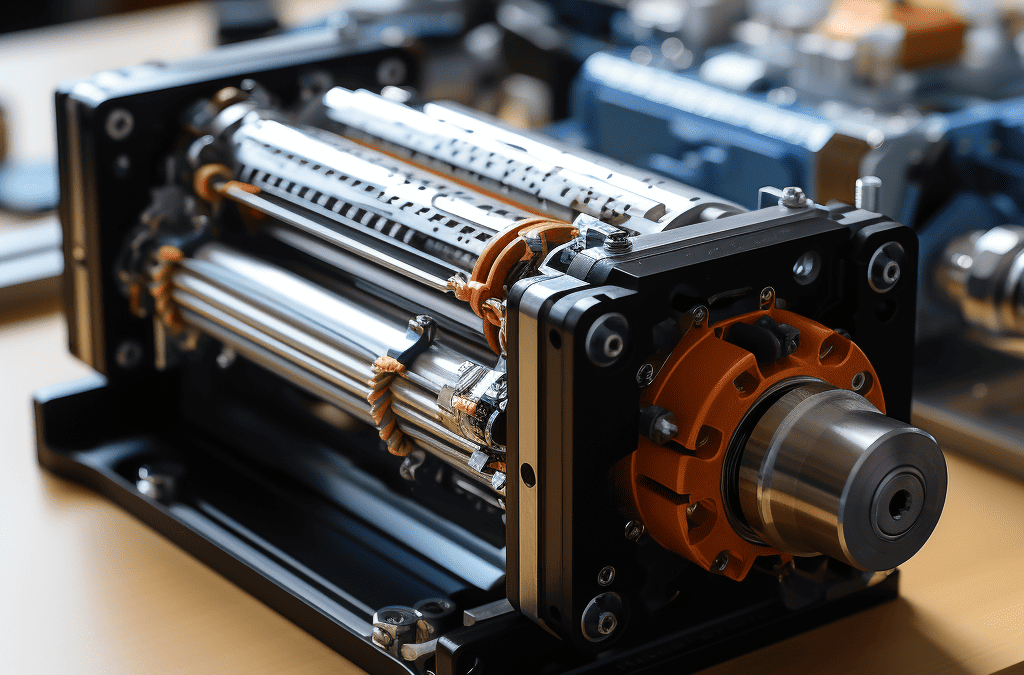

Advantages of Pneumatic Actuators
Pneumatic actuators offer several advantages over other types of actuators, including:
- Simplicity: Pneumatic actuators have a simple design that makes them easy to install, operate, and maintain.
- Cost-effectiveness: Pneumatic actuators are generally less expensive than electric or hydraulic actuators.
- Durability: Pneumatic actuators are highly durable and can operate in harsh environments, including high temperatures, humidity, and dust.
- Fast response times: Pneumatic actuators can provide fast response times and accurate positioning, making them ideal for applications that require quick and precise motion.
- Safety: Pneumatic actuators use compressed air as their power source, which is non-flammable and non-explosive, making them safer to use than hydraulic or electric actuators.
Applications of Pneumatic Actuators
Pneumatic actuators are used in a wide range of applications, including:
- Industrial automation: Pneumatic actuators are commonly used in manufacturing and assembly lines to move parts, open and close valves, and operate tools.
- Robotics: Pneumatic actuators are used in robots for precise and repeatable motion, such as pick-and-place operations and gripping.
- Medical equipment: Pneumatic actuators are used in medical equipment, such as hospital beds and wheelchairs, for smooth and quiet operation.
- Automotive: Pneumatic actuators are used in automotive manufacturing for tasks such as painting, welding, and assembly.
- Aerospace: Pneumatic actuators are used in aircraft for tasks such as landing gear operation and cargo door opening and closing.
Choosing the Right Pneumatic Actuator
When choosing a pneumatic actuator, it is important to consider several factors, including:
- Force and speed requirements: The actuator must be able to generate the required force and speed for the application.
- Environmental conditions: The actuator must be able to operate in the specific environmental conditions, such as temperature, humidity, and dust.
- Size and weight restrictions: The actuator must fit within the available space and meet any weight restrictions.
- Control requirements: The actuator must be compatible with the control system and provide the necessary feedback and diagnostics.
By considering these factors, you can choose the right pneumatic actuator for your application and ensure reliable, efficient, and safe operation.
Pneumatic actuators are versatile and cost-effective devices that convert compressed air into motion or force. They are widely used in industrial automation, robotics, and other applications where precise and repeatable motion is required. Understanding the basic concepts and key components of pneumatic actuators is essential for selecting the right actuator for your application and ensuring reliable and efficient operation. With their advantages, including simplicity, cost-effectiveness, durability, fast response times, and safety, pneumatic actuators are an excellent choice for many applications.
One advantage of piston actuators is that they are highly versatile and can be used in a wide range of applications. They are also able to generate a large amount of force, making them suitable for heavy-duty tasks. However, piston actuators may not be as precise as other types of pneumatic actuators, as they are subject to friction and wear. They may also require more maintenance than diaphragm actuators due to the presence of moving parts.
Vane Actuators
Vane actuators are a type of pneumatic actuator that use a rotating vane to convert the energy stored in compressed air into rotary motion. The vane is typically made of metal and is mounted on a shaft within a cylindrical housing. When compressed air is introduced into the housing, it causes the vane to rotate, which in turn causes the shaft to rotate. Vane actuators are commonly used in applications that require precise and accurate rotary motion, such as in valve control and robotics.
One advantage of vane actuators is that they are highly efficient and can generate a large amount of torque with a small amount of compressed air. They are also relatively compact and lightweight, making them suitable for use in space-constrained applications. However, vane actuators may not be as durable as other types of pneumatic actuators, as the vane is subject to wear and may need to be replaced periodically.

Pneumatic actuators are mechanical devices that use compressed air to generate motion. They are commonly used in industrial automation, robotics, and other applications where precise and reliable motion control is required. There are several types of pneumatic actuators, including diaphragm, piston, and vane actuators. Each type of actuator has its own set of advantages and disadvantages, and the appropriate type of actuator will depend on the specific application and requirements.
Diaphragm actuators are well-suited for applications that require precise and accurate motion, as well as for applications that require low power consumption. They are highly resistant to corrosion and are relatively maintenance-free. Piston actuators are highly versatile and can be used in a wide range of applications, including those that require high force or high speed. They are able to generate a large amount of force, but may require more maintenance due to the presence of moving parts. Vane actuators are highly efficient and can generate a large amount of torque with a small amount of compressed air. They are also compact and lightweight, making them suitable for use in space-constrained applications. However, they may not be as durable as other types of pneumatic actuators.
When selecting a pneumatic actuator, it is important to consider the specific requirements of the application, including the type of motion required, the level of precision and accuracy needed, and the environmental conditions in which the actuator will be used. By carefully evaluating these factors, it is possible to select the most appropriate type of pneumatic actuator for the job.

Exploring the Uses of Pneumatic Actuators Across Various Industries
Pneumatic actuators are widely used across various industries due to their numerous advantages, such as high speed, accuracy, and low maintenance requirements. In this section, we will explore the uses of pneumatic actuators in different industries, including manufacturing, food and beverage, oil and gas, and pharmaceuticals.
Manufacturing Industry
Pneumatic actuators are a popular choice in the manufacturing industry for their speed, accuracy, and low maintenance requirements. They are commonly used in automation processes such as assembly lines and material handling equipment. For instance, pneumatic actuators can lift, move, and position heavy objects such as car parts or machinery with ease. Additionally, they can control valves, pumps, and other equipment, making them an essential component in manufacturing processes.
Precision
Pneumatic actuators offer precise control, which is crucial in manufacturing applications where accuracy is vital. Their ability to provide consistent and repeatable motion makes them ideal for tasks such as assembly, pick-and-place, and packaging. Pneumatic actuators can also be programmed to perform complex movements, making them suitable for applications that require high precision.
Food and Beverage Industry
Pneumatic actuators are widely used in the food and beverage industry for their ease of cleaning and sanitization. They are used to automate processes such as packaging, bottling, and canning. For example, pneumatic actuators can open and close valves that control the flow of liquids or powders, and control the motion of conveyor belts and other equipment.
Hygiene
Pneumatic actuators are ideal for food and beverage applications due to their hygienic design. They are made of materials that are resistant to corrosion and can withstand harsh cleaning chemicals, making them easy to sanitize and maintain. Additionally, pneumatic actuators can be designed to meet specific hygiene requirements, such as those required by the FDA and USDA.
Oil and Gas Industry
Pneumatic actuators are commonly used in the oil and gas industry for their reliability and ability to operate in harsh environments. They are used to control valves, pumps, and other equipment that are used in the extraction, transportation, and refining of oil and gas.
Durability
Pneumatic actuators are designed to withstand the harsh conditions of the oil and gas industry, including extreme temperatures, high pressures, and exposure to corrosive substances. Their durable construction ensures reliable operation and long service life. Additionally, pneumatic actuators require minimal maintenance, reducing downtime and increasing productivity.
Pharmaceutical Industry
Pneumatic actuators are used in the pharmaceutical industry for their high precision, accuracy, and low maintenance requirements. They are used to control valves, pumps, and other equipment that are used in the production of drugs and other pharmaceutical products. Additionally, they are easy to clean and sanitize, making them ideal for use in sterile environments.
Precision and Accuracy
Pneumatic actuators offer precise control, which is crucial in pharmaceutical applications where accuracy is vital. Their ability to provide consistent and repeatable motion makes them ideal for tasks such as drug dispensing, filling, and capping. Additionally, pneumatic actuators can be programmed to perform complex movements, making them suitable for applications that require high precision.
Low Maintenance
Pneumatic actuators require minimal maintenance, reducing downtime and increasing productivity. Additionally, they are easy to repair and replace, making them a cost-effective solution for pharmaceutical applications.
Pneumatic actuators are a versatile and reliable solution for automation processes across various industries. Their high speed, accuracy, and low maintenance requirements make them an ideal choice for applications that require precise control and reliable operation. Additionally, their ability to withstand harsh conditions and meet specific hygiene requirements makes them suitable for use in a wide range of applications.

They have fewer moving parts than other types of actuators, which reduces the risk of mechanical failure. Additionally, pneumatic actuators are not affected by temperature fluctuations or electromagnetic interference, which can impact the performance of electrical actuators. This makes them a reliable choice for use in harsh environments, such as those found in the oil and gas, chemical, and mining industries.
Cost-Effectiveness
Pneumatic actuators are also a cost-effective solution for many applications. They have lower upfront costs than other types of actuators, such as hydraulic or electric actuators. Additionally, they have lower operating costs due to their energy efficiency and reduced maintenance requirements. Pneumatic actuators also have a long lifespan, which can further reduce costs over time.
Applications
Pneumatic actuators are used in a wide variety of industries and applications, including manufacturing, automation, and robotics. They are commonly used for tasks such as valve control, material handling, and assembly. They are also used in the automotive and aerospace industries for tasks such as braking and landing gear systems.
Maintenance
Pneumatic actuators require minimal maintenance compared to other types of actuators. They have fewer moving parts, which reduces the risk of mechanical failure. Additionally, pneumatic actuators do not require fluid replacement, as hydraulic actuators do. However, it is still important to regularly inspect and maintain pneumatic actuators to ensure they are operating at peak efficiency.
Conclusion
In conclusion, pneumatic actuators offer many benefits for a wide variety of industries and applications. Their simple design, energy efficiency, reliability, and cost-effectiveness make them an attractive choice for many manufacturers and engineers. Whether you are looking to increase productivity, reduce cycle times, or improve the overall performance of your equipment, pneumatic actuators are a solution worth considering.
4.7. References
The Benefits of Pneumatic Actuators
Pneumatic Actuators versus Electric Actuators


