
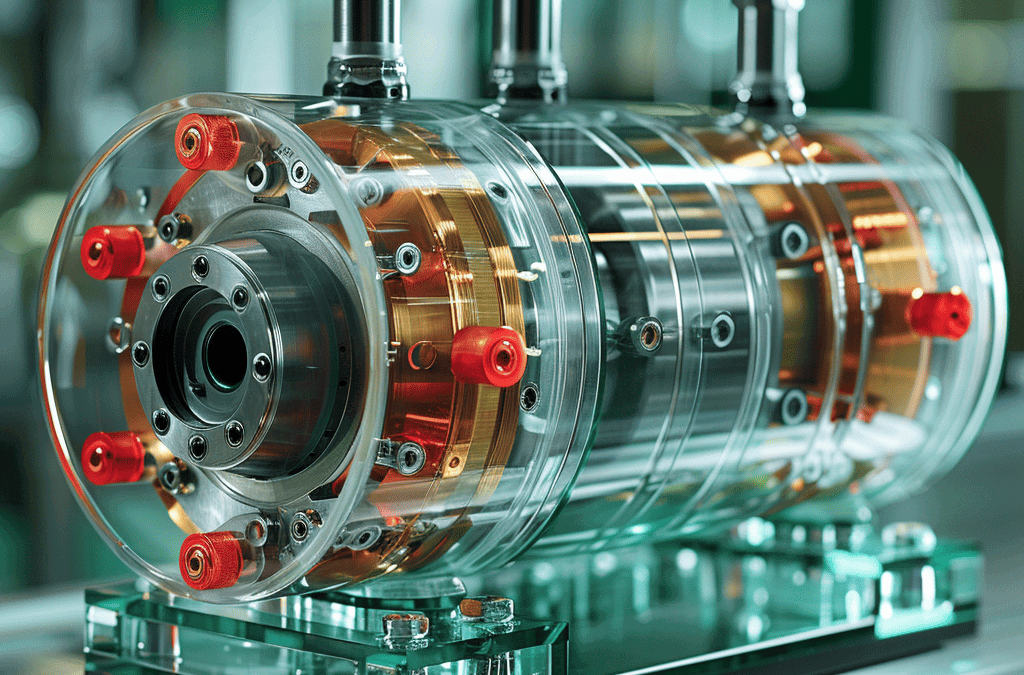
images are fictional
Understanding the Basics of Pneumatic Actuator Rotary Systems
The Importance of Pneumatic Actuator Rotary Systems
Pneumatic actuator rotary systems are an essential part of many industrial applications, providing the necessary force and motion to operate valves, pumps, and other equipment. These systems use compressed air to generate torque, which is then used to rotate a shaft or other mechanical component. Pneumatic rotary actuators offer several advantages over other types of actuators, including high power-to-weight ratios, fast response times, and low maintenance requirements.
Pneumatic systems are also preferred for their safety and environmental benefits. Unlike hydraulic systems, which use oil to generate power, pneumatic systems use clean, dry air, reducing the risk of leaks and spills that can harm employees and the environment.
How Pneumatic Rotary Actuators Work
Pneumatic rotary actuators operate on the principle of converting compressed air into mechanical energy. When air is introduced into the actuator, it causes a piston to move, which in turn rotates the output shaft. The amount of rotation can be controlled by adjusting the air pressure, allowing for precise positioning and control. Some pneumatic rotary actuators use a rack and pinion design, while others use a vane or piston design to achieve rotation.
The most common type of pneumatic rotary actuator is the rack and pinion design, which offers high accuracy and repeatability. However, for applications that require higher torque or faster speeds, vane or piston designs may be more appropriate.
Different Types of Pneumatic Rotary Actuators
There are several types of pneumatic rotary actuators, each with its own advantages and disadvantages. The most common types are:
- Rack and pinion actuators: These actuators use a circular gear (pinion) that meshes with a linear gear (rack) to create rotary motion. They are compact, easy to install, and offer high accuracy.
- Vane actuators: These actuators use a series of vanes that are mounted to a rotating shaft. As air pressure is applied, the vanes move outward, creating a circular motion that rotates the shaft. They are simple in design and can handle high torque loads.
- Piston actuators: These actuators use a piston that is connected to a rotating shaft. As air pressure is applied, the piston moves, causing the shaft to rotate. They are ideal for applications that require high speeds and low torque.
Other less common types of pneumatic rotary actuators include scotch yoke actuators, which use a sliding yoke to convert linear motion into rotary motion, and swashplate actuators, which use a tilting plate to control the amount of air pressure applied to the piston.
Key Components of a Pneumatic Rotary Actuator
The main components of a pneumatic rotary actuator include:
- Air supply: This is the source of compressed air that powers the actuator.
- Actuator body: This is the housing that contains the moving parts of the actuator.
- Piston or vane: This is the component that is moved by the air pressure, causing the output shaft to rotate.
- Output shaft: This is the component that is connected to the load and rotates to provide motion.
- Mounting bracket: This is the component that attaches the actuator to the load or machine.
Pneumatic rotary actuators may also include additional components, such as limit switches, positioners, and feedback sensors, to provide greater control and accuracy.
Benefits of Using Pneumatic Rotary Actuators
Pneumatic rotary actuators offer several benefits over other types of actuators, including:
- Cost-effective: Pneumatic rotary actuators are generally less expensive than hydraulic or electric actuators, making them a cost-effective solution for many applications.
- Low maintenance: Pneumatic rotary actuators have fewer moving parts than hydraulic or electric actuators, reducing the need for maintenance and repairs.
- Fast response times: Pneumatic rotary actuators can respond quickly to changes in air pressure, making them ideal for applications that require fast response times.
- High power-to-weight ratio: Pneumatic rotary actuators can provide a high level of torque while still being lightweight and compact.
Additionally, pneumatic rotary actuators are easy to install and operate, making them a popular choice for many industrial applications.
Selecting the Right Pneumatic Rotary Actuator for Your Application
When selecting a pneumatic rotary actuator for your application, there are several factors to consider, including:
- Torque requirements: The amount of torque needed to rotate the load.
- Speed requirements: The speed at which the load needs to be rotated.
- Accuracy requirements: The level of precision required for the rotary motion.
- Environmental conditions: The operating conditions, such as temperature and humidity, that the actuator will be exposed to.
- Maintenance requirements: The level of maintenance that will be required to keep the actuator operating properly.
It’s also important to consider the actuator’s mounting orientation and the type of control system that will be used. These factors can affect the actuator’s performance and compatibility with other equipment.
By carefully considering these factors, you can select the right pneumatic rotary actuator for your application and ensure reliable, efficient operation.
Applications of Pneumatic Rotary Actuators
Pneumatic rotary actuators are used in a wide range of industries and applications, including:
- Valve automation: Pneumatic rotary actuators are commonly used to automate valves in industrial processes.
- Material handling: Pneumatic rotary actuators are used in material handling equipment, such as conveyor systems and robotic arms.
- Packaging equipment: Pneumatic rotary actuators are used in packaging equipment, such as labeling machines and bottling lines.
- Food and beverage processing: Pneumatic rotary actuators are used in food and beverage processing equipment, such as mixers and filling machines.
- Automotive manufacturing: Pneumatic rotary actuators are used in automotive manufacturing equipment, such as assembly lines and painting systems.
Pneumatic rotary actuators are also used in other industries, such as aerospace, energy, and pharmaceuticals, where precise and reliable motion control is critical.

Key Components and Design Considerations for Rotary Actuators
When designing or selecting a rotary actuator for an industrial or automation application, it is essential to understand the basic design, types, sizing, accessories, and environmental factors that can impact its performance and reliability. This section will delve deeper into these key components and design considerations, providing a comprehensive guide for engineers and designers.
Understanding the Basic Design and Function of Rotary Actuators
Rotary actuators are mechanical devices that convert linear motion into rotary motion, typically consisting of a cylindrical housing, a piston or vane, and an output shaft. The piston or vane is connected to the output shaft and is moved by hydraulic or pneumatic pressure. As the piston or vane moves, it causes the output shaft to rotate, providing the necessary motion for the application. The output shaft is typically connected to a gear train or a lead screw, which amplifies the rotary motion and provides the necessary torque for the application.
Selecting the Right Type of Actuator for Your Application
Choosing the right type of rotary actuator for your application depends on several factors, including the torque required, the speed and accuracy of the motion, and the environmental conditions in which the actuator will be operating. Some of the most common types of rotary actuators include:
* Rack and pinion actuators: These actuators use a pinion gear to engage a linear rack, which converts linear motion into rotary motion. They are known for their high speed, accuracy, and efficiency.
* Vane actuators: These actuators use a sliding vane to convert hydraulic or pneumatic pressure into rotary motion. They are suitable for applications that require a high degree of rotary motion and are resistant to harsh environments.
* Piston actuators: These actuators use a piston to convert hydraulic or pneumatic pressure into rotary motion. They are suitable for applications that require high torque and low speed.
Importance of Actuator Sizing and Selection
Proper sizing and selection of a rotary actuator is critical to ensure reliable and efficient operation. Factors such as the required torque, speed, and environmental conditions must be taken into account when selecting an actuator. Improper sizing can result in premature wear, reduced efficiency, and increased maintenance costs. To ensure proper sizing, it is important to consult the actuator manufacturer’s specifications and guidelines.
Understanding Actuator Accessories and Their Functions
Rotary actuators can be equipped with a variety of accessories to enhance their functionality and performance. Some of the most common accessories include:
* Limit switches: These devices are used to stop the actuator at a specific position, providing precise control over the motion.
* Positioners: These devices are used to control the position of the actuator, providing accurate and repeatable motion.
* Feedback devices: These devices provide information on the position and speed of the actuator, allowing for closed-loop control and monitoring.
* Brakes: These devices are used to hold the actuator in a fixed position, preventing unwanted motion.
* Encoders: These devices provide precise position feedback, allowing for accurate and repeatable motion.
Considering Environmental Factors in Actuator Design and Selection
Environmental factors can have a significant impact on the performance and reliability of rotary actuators. When selecting an actuator, it is important to consider the operating conditions, including temperature, humidity, and exposure to contaminants. Actuators designed for use in harsh environments may require special features such as corrosion-resistant materials, seals, and coatings to ensure reliable operation. It is also important to consider the electrical requirements of the actuator, such as voltage and power consumption.
Importance of Regular Maintenance and Inspection
Proper maintenance and inspection of rotary actuators is essential to ensure reliable and efficient operation. Regular maintenance can help prevent premature wear, reduce downtime, and extend the life of the actuator. Common maintenance tasks include lubrication, cleaning, and inspection of components such as seals and bearings. It is also important to regularly inspect the actuator for signs of wear or damage, and to replace any worn or damaged components as needed. By following a regular maintenance schedule, you can ensure that your rotary actuator operates at peak performance and remains reliable for years to come.
Additional Considerations for Rotary Actuator Design
When designing a rotary actuator system, there are several additional considerations to keep in mind, including:
* Mounting requirements: The actuator must be securely mounted to ensure reliable operation and prevent damage to the actuator or surrounding components.
* Availability of spare parts: Ensuring that spare parts are readily available can reduce downtime and maintenance costs.
* Compatibility with other system components: The actuator must be compatible with other components in the system, such as control systems and sensors.
* Cost: The cost of the actuator and the overall cost of ownership, including maintenance and repair costs, must be considered when selecting an actuator.
By carefully considering all of these factors, engineers and designers can create rotary actuator systems that are reliable, efficient, and cost-effective for a wide range of industrial and automation applications.

Pneumatic Rotary Actuators: A Versatile Solution for Various Industrial Applications
Industrial Automation
Pneumatic rotary actuators are widely used in industrial automation for tasks such as valve control, material handling, and assembly. They offer several advantages over other types of actuators, including high speed, precision, and reliability. These actuators use compressed air to rotate a shaft, providing precise and consistent motion. In many cases, pneumatic rotary actuators can be integrated into existing control systems, making them a cost-effective solution for improving productivity and efficiency. Additionally, they offer a long service life and require minimal maintenance, reducing downtime and repair costs.
Robotics
Pneumatic rotary actuators are also commonly used in robotics, where they are used to control the movement of robotic arms and end effectors. They offer high power-to-weight ratios, making them ideal for applications where space and weight are limited. Additionally, pneumatic rotary actuators can operate in harsh environments, making them suitable for use in applications such as welding and painting. For example, pneumatic rotary actuators can be used to control the movement of robotic arms in automotive assembly lines, providing precise and consistent motion for tasks such as welding and assembly.
Aerospace
Pneumatic rotary actuators are used in a variety of aerospace applications, including aircraft control surfaces, landing gear, and cargo doors. They offer high reliability and durability, even in extreme temperatures and high vibration environments. Additionally, pneumatic rotary actuators can be designed to meet strict size and weight requirements, making them an ideal solution for use in aerospace applications. For instance, pneumatic rotary actuators can be used to control the movement of flaps and slats on aircraft wings, providing precise and reliable motion even in extreme conditions.
Food and Beverage
In the food and beverage industry, pneumatic rotary actuators are used for tasks such as bottle capping, labeling, and packaging. They offer high speed and accuracy, making them ideal for applications where precision is critical. Additionally, pneumatic rotary actuators can be designed to meet sanitary requirements, making them suitable for use in food and beverage processing plants. For example, pneumatic rotary actuators can be used to control the movement of conveyor belts and packaging equipment, providing precise and consistent motion while meeting strict sanitation requirements.
Medical Devices
Pneumatic rotary actuators are used in a variety of medical devices, including surgical tools, imaging equipment, and patient positioning systems. They offer high precision and reliability, making them ideal for use in critical medical applications. Additionally, pneumatic rotary actuators can be designed to meet strict cleanliness and sterilization requirements, making them suitable for use in medical facilities. For instance, pneumatic rotary actuators can be used to control the movement of surgical tools and patient positioning systems, providing precise and reliable motion while meeting strict cleanliness and sterilization requirements.
Oil and Gas
In the oil and gas industry, pneumatic rotary actuators are used for tasks such as valve control and pipeline maintenance. They offer high reliability and durability, even in extreme temperatures and harsh environments. Additionally, pneumatic rotary actuators can be designed to meet strict safety requirements, making them suitable for use in hazardous applications. For example, pneumatic rotary actuators can be used to control the movement of valves and pumps in oil and gas production facilities, providing precise and reliable motion while meeting strict safety requirements.
Chemical Processing
Pneumatic rotary actuators are used in chemical processing for tasks such as valve control, mixing, and blending. They offer high precision and reliability, making them ideal for use in applications where accuracy is critical. Additionally, pneumatic rotary actuators can be designed to meet strict chemical resistance requirements, making them suitable for use in corrosive environments. For instance, pneumatic rotary actuators can be used to control the movement of valves and pumps in chemical processing facilities, providing precise and reliable motion while meeting strict chemical resistance requirements.
Water and Wastewater Treatment
In water and wastewater treatment facilities, pneumatic rotary actuators are used for tasks such as valve control, flow regulation, and process automation. They offer high reliability and durability, even in wet and corrosive environments. Additionally, pneumatic rotary actuators can be designed to meet strict sanitary requirements, making them suitable for use in water and wastewater treatment plants. For example, pneumatic rotary actuators can be used to control the movement of valves and pumps in water treatment facilities, providing precise and reliable motion while meeting strict sanitary requirements.
Agriculture
Pneumatic rotary actuators are also used in agricultural applications, such as irrigation systems, grain handling equipment, and feeding systems. They offer high reliability and durability, even in dusty and dirty environments. Additionally, pneumatic rotary actuators can be designed to meet strict sanitation requirements, making them suitable for use in agricultural applications. For instance, pneumatic rotary actuators can be used to control the movement of conveyors and valves in grain handling equipment, providing precise and reliable motion while meeting strict sanitation requirements.
Renewable Energy
Pneumatic rotary actuators are also used in the renewable energy sector, particularly in wind turbine pitch control systems. They offer high reliability and precision, allowing for optimal energy generation and reduced wear and tear on turbine components. Additionally, pneumatic rotary actuators can be designed to meet strict environmental requirements, making them suitable for use in harsh outdoor environments. For example, pneumatic rotary actuators can be used to control the movement of wind turbine blades, providing precise and reliable motion even in extreme wind conditions.
By expanding on the various applications of pneumatic rotary actuators, this blog post becomes more comprehensive and informative, providing readers with a better understanding of their functionality and versatility. Additionally, the use of bold and italicized text helps draw attention to important keywords and phrases, making the content easier to read and understand.

Optimizing Performance and Maintenance of Pneumatic Actuator Rotary Systems: Design, Lubrication, and Control Techniques
Proper System Design and Sizing
Adequately sizing and designing pneumatic actuator rotary systems are critical to achieving optimal performance and longevity. The system should be tailored to handle the required load, speed, and cycle time while minimizing energy consumption and wear. Selecting the appropriate actuator type, size, air pressure, and control valves is essential. Collaborating with actuator manufacturers and industry experts can help determine the best system design for a specific application. Proper sizing also helps prevent overloading and ensures the system can handle the required torque and speed.
Preventative Maintenance
Regularly inspecting and maintaining pneumatic actuator rotary systems is crucial to maximize their lifespan and efficiency. Preventative maintenance can prevent unexpected failures and reduce downtime. Maintenance tasks may include checking for leaks, inspecting seals and bearings, lubricating moving parts, and replacing worn or damaged components. Establishing a consistent maintenance schedule and following manufacturer recommendations is essential. Regular maintenance also helps identify potential issues before they become significant problems.
Proper Lubrication
Effective lubrication is critical to the performance and longevity of pneumatic actuator rotary systems. Proper lubrication reduces friction, minimizes wear, and extends the life of moving parts. Using the correct type and amount of lubricant and following the manufacturer’s recommendations is essential. Over- and under-lubrication can lead to excessive heat buildup, contamination, premature wear, and failure.
Air Quality and Filtration
Contaminants such as dirt, dust, and moisture can damage pneumatic actuator rotary systems and reduce their performance and lifespan. Proper filtration and air quality management are essential to ensure the long-term reliability of the system. High-quality air filters and regulators can remove contaminants and control the air pressure. Regularly inspecting and replacing filters can prevent damage to the actuator and improve system performance. Compressed air quality standards can also help ensure the system operates efficiently.
System Monitoring and Control
Advanced control systems can improve the performance and efficiency of pneumatic actuator rotary systems. These systems can monitor actuator performance, detect faults, and optimize system parameters. This can reduce energy consumption, improve response time, and increase system reliability. Additionally, remote monitoring and predictive maintenance can reduce downtime and minimize maintenance costs. Integrating sensors and automation can further enhance system performance and efficiency.
Training and Education
Effective training and education are essential to ensure the safe and efficient operation of pneumatic actuator rotary systems. Operators and maintenance personnel should be trained on the proper use, maintenance, and troubleshooting of the system. This can prevent accidents, improve system performance, and reduce maintenance costs. Additionally, ongoing training and education can keep personnel up-to-date on the latest technologies and best practices. Hands-on training and simulations can further enhance the learning experience.
Selection of Actuators
Selecting the appropriate type of pneumatic actuator for a rotary system is essential for optimal performance and longevity. Vanes, racks and pinions, and piston actuators are commonly used in rotary systems. Each type of actuator has its advantages and disadvantages, and the selection should be based on the specific requirements of the application. Factors to consider include load, speed, accuracy, and environmental conditions. Vane actuators are ideal for applications requiring high-speed rotation and accurate positioning, while rack and pinion actuators are suitable for heavy-duty applications.
Actuator Mounting and Alignment
Proper mounting and alignment of pneumatic actuator rotary systems are critical to achieving optimal performance and longevity. Misalignment can cause premature wear and failure of moving parts. Actuators should be mounted securely to prevent movement during operation. Additionally, actuators should be aligned with the load to minimize stress and ensure accurate movement. Regular inspection and adjustment of the mounting and alignment can help prevent issues and prolong the system’s lifespan. Laser alignment tools can be used to ensure accurate alignment and minimize wear and tear on the system.
Emergency Stop and Lockout/Tagout Procedures
Implementing emergency stop and lockout/tagout procedures are essential for the safe operation of pneumatic actuator rotary systems. Emergency stop procedures should be established to quickly stop the system in case of an emergency. Lockout/tagout procedures should be implemented to prevent accidental start-up during maintenance and repair activities. Proper training and education on these procedures can help prevent accidents and ensure the safety of personnel.
Actuator Accessories and Options
Selecting the appropriate accessories and options for pneumatic actuator rotary systems can improve performance, efficiency, and safety. Accessories such as positioners, limit switches, and solenoid valves can enhance system functionality. Options such as corrosion-resistant coatings, explosion-proof designs, and special seals can improve the system’s durability and reliability. It is essential to consult with actuator manufacturers and industry experts to determine the best accessories and options for a specific application. Positioners can be used to improve the accuracy and repeatability of the system, while limit switches can be used to prevent over-travel and damage to the actuator.


