


Understanding the Basics of Positive Displacement Pumps
What are Positive Displacement Pumps?
Positive displacement pumps, also known as PD pumps, are a category of pumps that transfer fluids by confining a fixed volume and forcing it through the system. Unlike centrifugal pumps that rely on the fluid’s kinetic energy, PD pumps maintain a consistent flow rate regardless of discharge pressure, making them ideal for handling viscous and abrasive fluids. They are widely used in industries where precise fluid control and high-pressure capabilities are essential.
How Do Positive Displacement Pumps Work?
PD pumps utilize various mechanisms to trap and expel fluid. Common types include rotary, reciprocating, and diaphragm pumps. Rotary pumps employ rotating elements, such as gears or screws, to create a seal and trap fluid. Reciprocating pumps use a piston or plunger to generate pressure, while diaphragm pumps rely on a flexible membrane to produce a vacuum, drawing fluid into the pump. Each mechanism is designed to efficiently handle specific fluid types and applications.
Advantages of Positive Displacement Pumps
PD pumps offer several benefits, including:
1. Consistent flow rates: PD pumps provide steady flow, even with high viscosity fluids, ensuring reliable operation.
2. Precise flow control: Engineers can easily regulate flow rates in PD pumps, making them suitable for applications that require accurate measurements.
3. Self-priming: PD pumps can handle entrained air and gases without compromising efficiency, reducing the need for priming.
4. High efficiency: PD pumps operate efficiently across a wide pressure range, making them ideal for demanding applications.
Disadvantages of Positive Displacement Pumps
Despite their advantages, PD pumps have some drawbacks:
1. Higher cost: PD pumps tend to be more expensive than centrifugal pumps, increasing initial investment.
2. Increased maintenance: Due to their complex design, PD pumps require more frequent maintenance and have a higher risk of mechanical failure, leading to potential downtime.
3. Sensitivity to pressure changes: Sudden variations in system pressure can cause cavitation, leading to pump damage and decreased efficiency.
4. Regulation challenges: PD pumps can be more difficult to regulate compared to centrifugal pumps, requiring more complex control systems.
Applications of Positive Displacement Pumps
PD pumps are employed in numerous industries, such as:
1. Oil and gas production: PD pumps are used to transport viscous fluids, like crude oil and drilling mud, in harsh environments.
2. Chemical processing: They can handle corrosive and abrasive chemicals without causing damage, ensuring safe and reliable operation.
3. Food and beverage production: PD pumps are suitable for transferring food-grade products while maintaining sanitary conditions and minimizing product degradation.
4. Pharmaceutical manufacturing: PD pumps ensure precise dosing and mixing of ingredients, critical for maintaining product quality and consistency.
5. Water and wastewater treatment: They can efficiently handle fluids with solid particles and varying viscosities, essential for effective treatment processes.
6. HVAC systems: PD pumps are used for circulating chilled water, hot water, and hydronic heating, ensuring optimal temperature control and energy efficiency.
Customizing Positive Displacement Pumps
To meet specific application requirements, PD pumps can be tailored by:
1. Material selection: Choosing the right materials can enhance pump performance and durability, ensuring long-term reliability in challenging conditions.
2. Configuring the pump mechanism: Selecting the appropriate pump type (rotary, reciprocating, or diaphragm) will optimize efficiency and reliability based on the fluid being handled.
3. Adjusting flow rates: Engineers can modify flow rates based on the application’s needs, ensuring optimal performance and energy efficiency.
4. Integrating accessories: Adding features like sensors, valves, and monitors can improve pump functionality and monitoring capabilities, providing real-time insights into pump performance and maintenance needs.
By understanding the principles and applications of positive displacement pumps, engineers and operators can make informed decisions when selecting and customizing pumps for their unique requirements. Collaborating with a reputable pump manufacturer or supplier ensures you receive a reliable, efficient, and customized solution for your industry needs.

Key Components of Positive Displacement Pumps and Their Functionality
Positive displacement pumps are widely used in various industries for their ability to move fluids at a consistent flow rate. Understanding the components of these pumps is crucial for designing, operating, and maintaining these systems. Here are the key components of positive displacement pumps and their functionality:
Pump Housing
The pump housing is the outer casing of the positive displacement pump that contains all the internal components. The housing is designed to withstand the pressure and temperature of the fluid being pumped and protect the internal components from external damage. It is typically made of cast iron, stainless steel, or other materials that can withstand the corrosive properties of the fluid being pumped. The housing also provides a seal to prevent leakage and contamination.
Rotor or Piston
The rotor or piston is the heart of the positive displacement pump. It is responsible for trapping the fluid and forcing it through the system. Rotary pumps use rotating elements, such as gears or screws, to create a seal and trap fluid. Reciprocating pumps use a piston or plunger to create pressure and force the fluid through the system. The design of the rotor or piston will depend on the specific type of positive displacement pump and the application it is being used for. For example, a progressive cavity pump uses a helical rotor that creates cavities to trap and move the fluid.
Valves
Valves are used to control the flow of fluid into and out of the pump. In a positive displacement pump, there are typically two types of valves: suction valves and discharge valves. The suction valves are responsible for drawing fluid into the pump, while the discharge valves are responsible for releasing the fluid from the pump. The valves are designed to open and close at specific times to ensure that the fluid is trapped and forced through the system. The valves must be able to withstand the pressure and temperature of the fluid being pumped and provide a tight seal to prevent leakage.
Seals and Gaskets
Seals and gaskets are used to prevent fluid leakage and contamination in a positive displacement pump. They are typically made of materials that can withstand the corrosive properties of the fluid being pumped and provide a tight seal to prevent leakage. Mechanical seals and elastomeric seals are two common types of seals used in positive displacement pumps. Mechanical seals are used in high-pressure applications and can handle extreme temperatures, while elastomeric seals are used in low-pressure applications and offer flexibility and resilience. Gaskets are used to seal the joints between the pump housing and other components, such as the suction and discharge ports.
Bearings and Shafts
Bearings and shafts are used to support the rotor or piston and ensure that it moves smoothly and efficiently. The bearings are designed to reduce friction and prevent wear and tear on the rotor or piston. Ball bearings and roller bearings are two common types of bearings used in positive displacement pumps. Ball bearings are used in high-speed applications and can handle radial and thrust loads, while roller bearings are used in heavy-duty applications and can handle high radial loads. The shafts are used to transmit power from the motor to the rotor or piston. The shafts must be able to withstand the torque and bending stresses generated by the pump and be precisely aligned to ensure proper operation.
Understanding the key components of positive displacement pumps is essential for engineers and operators who work with these systems. By knowing how the different components function and interact, you can ensure that the pump is operating efficiently and effectively. Whether you are designing a new system or maintaining an existing one, a solid understanding of positive displacement pumps is essential. Working with a reputable pump manufacturer or supplier can help ensure that you get a pump that is tailored to your specific needs and that will provide reliable performance for years to come.

The most common type of rotary pumps. They use two intermeshing gears to create a vacuum and transfer fluids. These pumps are often used in hydraulic systems, fuel transfer, and chemical processing applications.
Screw Pumps
Screw pumps use two or three intermeshing screws to create a vacuum and transfer fluids. They are ideal for handling viscous fluids with a high solids content, such as slurries and sludge. Screw pumps are commonly used in wastewater treatment, mining, and oil and gas industries.
Lobe Pumps
Lobe pumps use two or more lobes rotating against each other to create a vacuum and transfer fluids. They are known for their gentle handling of delicate fluids, such as food and beverages, pharmaceuticals, and cosmetics.
Vane Pumps
Vane pumps use a rotor with sliding vanes to create a vacuum and transfer fluids. They are often used in hydraulic systems, air conditioning, and refrigeration applications.
Reciprocating Pumps
Reciprocating pumps use a piston or plunger to create a vacuum and transfer fluids. They are known for their ability to handle high-pressure applications and viscous fluids.
Diaphragm Pumps
Diaphragm pumps use a flexible diaphragm to create a vacuum and transfer fluids. They are ideal for handling delicate fluids, such as chemicals, food and beverages, and pharmaceuticals.
Piston Pumps
Piston pumps use a reciprocating piston to create a vacuum and transfer fluids. They are commonly used in high-pressure applications, such as hydraulic systems, oil and gas, and chemical processing.
Plunger Pumps
Plunger pumps use a reciprocating plunger to create a vacuum and transfer fluids. They are often used in high-pressure applications, such as oil and gas, mining, and construction.
Peristaltic Pumps
Peristaltic pumps use rollers to compress a flexible tube and create a vacuum and transfer fluids. They are known for their gentle handling of delicate fluids, such as biological samples, food and beverages, and pharmaceuticals.
Tube Pumps
Tube pumps use a flexible tube as the pumping element. They are ideal for handling delicate fluids, such as biological samples, food and beverages, and pharmaceuticals.
Hose Pumps
Hose pumps use a flexible hose as the pumping element. They are ideal for handling viscous and abrasive fluids, such as slurries and sludge.
In conclusion, understanding the different types of positive displacement pumps and their applications is essential for engineers and operators who work with these systems. Whether you need to handle delicate fluids or high-pressure applications, there is a positive displacement pump that can meet your needs. By choosing the right pump for your application, you can improve efficiency, reduce downtime, and increase productivity.
Maintenance Tips and Troubleshooting Common Issues in Positive Displacement Pumps
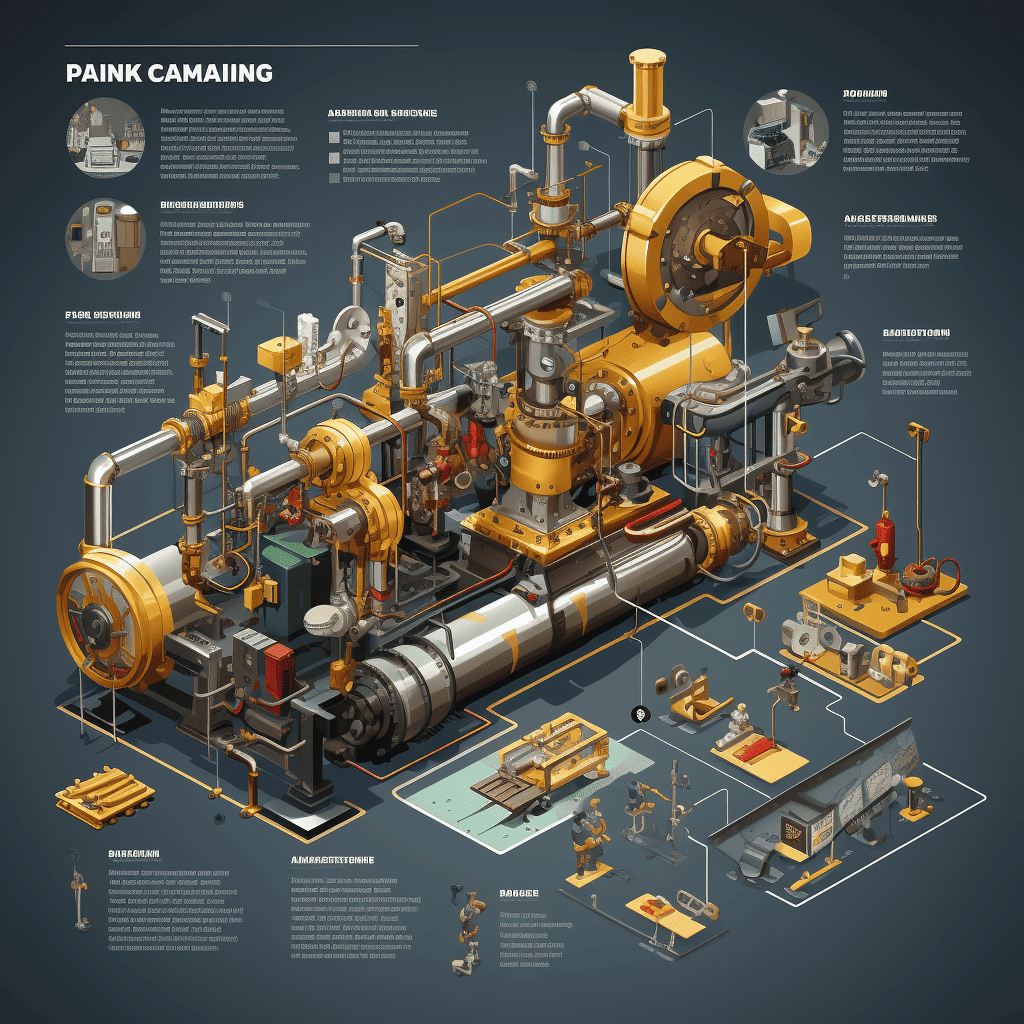
Regular maintenance is crucial for ensuring the smooth and efficient operation of positive displacement pumps. Adhering to a regular maintenance schedule can prevent unexpected downtime and extend the life of the pump. This includes scheduled inspections, lubrication of bearings and seals, and replacement of worn parts. By following these maintenance tips and promptly addressing any issues that arise, you can keep your positive displacement pumps running at optimal performance levels.
Regular Maintenance
In addition to scheduled inspections, it is important to continuously monitor the pump’s performance. Key performance indicators to watch for include flow rate, pressure, and power consumption. By monitoring these metrics, you can identify any issues before they become major problems. Keeping a maintenance log for each pump in your system is also recommended. This log should include the pump’s operational history and any maintenance or repairs that have been performed. This log can help identify trends and predict future maintenance needs.
Proper training of operators and maintenance personnel on the correct operation and maintenance of positive displacement pumps is also essential. This can help ensure that the pumps are being used and maintained correctly, which can prevent issues and extend their lifespan.
Leakage
Leakage is a common issue in positive displacement pumps. It can be caused by worn seals or gaskets, loose fittings, or damage to the pump housing. Leaks can lead to a loss of efficiency and can also cause contamination of the fluid being pumped. If you suspect a leak, it is important to identify the source and make repairs as soon as possible. This may involve replacing worn parts or tightening fittings.
Cavitation
Cavitation is another common issue that can affect positive displacement pumps. It occurs when the pressure in the pump drops below the vapor pressure of the fluid being pumped, causing the formation of bubbles. These bubbles can collapse violently, causing damage to the pump and reducing its efficiency. Cavitation can be caused by a number of factors, including a clogged suction line, a worn impeller, or a pump that is operating at too high a speed. If you suspect cavitation, it is important to identify the cause and make repairs as soon as possible.
Pump Noise
Excessive noise coming from a positive displacement pump can be a sign of a number of issues, including worn bearings, cavitation, or misalignment. If you notice excessive noise, it is important to identify the source and make repairs as soon as possible. This may involve replacing worn parts or realigning the pump.
Performance Issues
If a positive displacement pump is not performing as expected, it is important to identify the cause and make adjustments as necessary. This may involve checking the pump’s speed, pressure, and flow rate, as well as inspecting the pump for signs of wear or damage. It is also important to check the fluid being pumped for signs of contamination or changes in viscosity that could affect the pump’s performance.
Preventative Maintenance
In addition to regular maintenance, it is a good idea to perform preventative maintenance on positive displacement pumps. This can help identify and address issues before they become major problems. Some common preventative maintenance tasks include cleaning or replacing filters, checking the condition of seals and gaskets, and inspecting the pump’s electrical components.
Proper maintenance and troubleshooting are essential for keeping positive displacement pumps running smoothly and efficiently. By following a regular maintenance schedule, addressing issues promptly, and performing preventative maintenance, you can help prevent downtime and extend the life of the pump. Whether you are a plant operator or a maintenance technician, having a solid understanding of positive displacement pumps and their maintenance requirements is essential for ensuring reliable performance and minimizing costs.
Flow Rate
Monitoring the flow rate of a positive displacement pump is an important part of maintaining its performance. Flow rate is the volume of fluid being pumped per unit of time. If the flow rate drops below the required level, it could indicate a problem with the pump or the system. Common causes of low flow rate include clogged filters, worn impellers, or a pump that is too small for the application.
Pressure
Monitoring the pressure of a positive displacement pump is also important for maintaining its performance. Pressure is the force exerted by the fluid on the walls of the pump or the system. If the pressure is too high, it could cause damage to the pump or the system. Common causes of high pressure include closed valves, clogged filters, or a pump that is too large for the application.
Power Consumption
Monitoring the power consumption of a positive displacement pump can help identify issues before they become major problems. Power consumption is the amount of energy required to operate the pump. If the power consumption increases, it could indicate a problem with the pump or the system. Common causes of increased power consumption include worn bearings, cavitation, or a pump that is operating at too high a speed.
Maintenance Log
Keeping a maintenance log for each positive displacement pump in your system is an important part of maintaining its performance. A maintenance log should include the pump’s operational history, as well as any maintenance or repairs that have been performed. This log can help identify trends and predict future maintenance needs. By reviewing the maintenance log regularly, you can ensure that the pump is being maintained properly and that any issues are addressed promptly.
Operator Training
Proper training of operators is essential for maintaining the performance of positive displacement pumps. Operators should be trained on the correct operation of the pumps, as well as how to monitor their performance and identify any issues. This can help prevent downtime and extend the life of the pump. By investing in operator training, you can ensure that your positive displacement pumps are being used and maintained correctly.
Preventative Maintenance
Preventative maintenance is an important part of maintaining the performance of positive displacement pumps. Preventative maintenance tasks should be performed on a regular basis to identify and address any issues before they become major problems. Some common preventative maintenance tasks include cleaning or replacing filters, checking the condition of seals and gaskets, and inspecting the pump’s electrical components. By performing preventative maintenance, you can help prevent downtime and extend the life of the pump.
Filters
Filters are an important part of positive displacement pump systems. They help remove contaminants from the fluid being pumped, which can help prevent damage to the pump and improve its performance. Filters should be cleaned or replaced on a regular basis to ensure that they are functioning properly. By monitoring the condition of the filters and replacing them as needed, you can help prevent downtime and extend the life of the pump.
Electrical Components
Positive displacement pumps rely on a number of electrical components to operate properly. These components should be inspected on a regular basis to ensure that they are functioning properly. Common electrical components that should be inspected include motors, controllers, and sensors. By monitoring the condition of these components and replacing them as needed, you can help prevent downtime and extend the life of the pump.
Proper maintenance and troubleshooting are essential for keeping positive displacement pumps running smoothly and efficiently. By following a regular maintenance schedule, addressing issues promptly, and performing preventative maintenance, you can help prevent downtime and extend the life of the pump. Whether you are a plant operator or a maintenance technician, having a solid understanding of positive displacement pumps and their maintenance requirements is essential for ensuring reliable performance and minimizing costs.


