

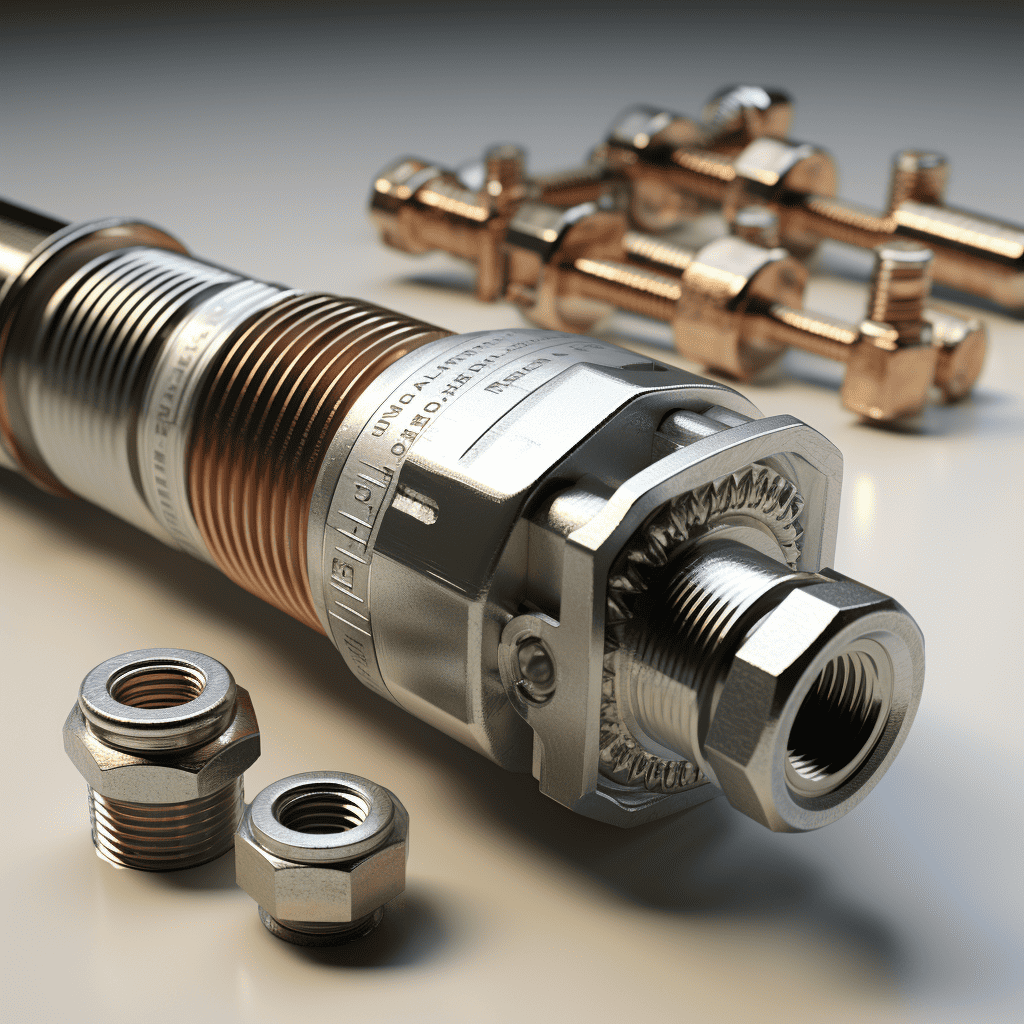
Understanding Shear Bolts and Standard Bolts: The Basics
What are Shear Bolts?
Shear bolts, also known as shear pins or shear keys, are a type of fastener that are specifically designed to fail in a controlled manner under shear stress. They are commonly used in industrial machinery, automotive applications, and construction to protect components from excessive loads. When a load exceeds the capacity of the shear bolt, it will break at a predetermined point, preventing damage to the rest of the system.
Shear bolts are typically made from materials with low toughness and high shear strength, such as mild steel or brass. The shear strength of a bolt is a measure of its ability to withstand shear stress before failing. By designing the bolt to fail at a specific load, engineers can ensure that the system as a whole is protected from catastrophic failure. The shear bolts are used in a variety of applications such as conveyor belts, lawn mowers, snowmobiles, and outboard motors.
Benefits of Shear Bolts
One of the main benefits of using shear bolts is that they provide a simple and cost-effective solution for overload protection. They can be easily replaced after they have failed, and they do not require any special tools or equipment to install or remove. Additionally, shear bolts can help to reduce downtime, as they allow for quick and easy replacement of failed components.
Another benefit of shear bolts is that they can help to improve safety in industrial and construction settings. By providing a predictable failure point, shear bolts can prevent equipment from becoming damaged or causing injury to workers. They are also commonly used in applications where sudden stoppage of equipment could be dangerous, such as in manufacturing or mining operations.
What are Standard Bolts?
Standard bolts, on the other hand, are designed to be strong and durable. They are typically made of steel or other high-strength materials and are used to hold components together under high tension. Unlike shear bolts, standard bolts are not intended to fail under load. Instead, they are designed to maintain their integrity and continue to hold components together, even under extreme conditions.
Standard bolts are often used in applications where a high clamping force is required to hold components together securely. They are commonly used in construction, automotive, and aerospace applications, where high strength and durability are critical. They come in various sizes, lengths, and head styles, and are often used with nuts and washers to securely fasten components together.
Benefits of Standard Bolts
One of the main benefits of using standard bolts is their high strength and durability. They are able to withstand high loads and are less likely to fail than other types of fasteners. Additionally, standard bolts are easy to install and remove, and they can be reused multiple times. They also provide a secure and reliable connection, making them ideal for use in critical applications.
Another benefit of standard bolts is that they are widely available and can be found in a variety of materials, sizes, and styles. This makes it easy to find the right bolt for any application, and it also allows for flexibility in design. Additionally, standard bolts are often less expensive than specialized fasteners, making them a cost-effective choice for many applications.
Choosing the Right Bolt
When deciding between shear bolts and standard bolts, it is important to consider the application and the loads that will be placed on the fastener. Shear bolts are a good choice for applications where overload protection is necessary, while standard bolts are better suited for applications where high strength and durability are required. Additionally, it is important to consider the environment in which the fastener will be used, as some materials may be more resistant to corrosion or other environmental factors than others.
Ultimately, the choice between shear bolts and standard bolts will depend on the specific requirements of the application. It is always best to consult with an engineer or a bolting expert to ensure that the right fastener is chosen for the job.
In conclusion, Shear bolts and Standard bolts are two different types of fasteners with unique properties and applications. Shear bolts are designed to fail in a controlled manner under shear stress, providing overload protection in industrial machinery, automotive applications, and construction. Standard bolts, on the other hand, are designed to be strong and durable, providing a secure and reliable connection in applications that require high strength and durability. Both types of bolts play a critical role in ensuring the safety and performance of equipment, and it is important to choose the right bolt for the job.

aluminum or brass, to ensure that they fail at a predetermined load. Standard bolts, on the other hand, are often made of stronger materials, such as steel or titanium, to withstand high tension and maintain a secure connection.
The manufacturing process for shear bolts and standard bolts also varies. Shear bolts are usually manufactured by cold forming or hot forging, which ensures that they have the desired shear strength and ductility. Standard bolts, on the other hand, are often manufactured by cutting or rolling, which produces a uniform and precise shape.
Selection and Maintenance
When selecting a bolt for a particular application, it’s important to consider the load requirements, environmental conditions, and potential for overloads or sudden releases of energy. Shear bolts are typically used in applications where the potential for overloading is high, while standard bolts are used in applications where a secure and reliable connection is required.
Proper maintenance is also important for ensuring the longevity and reliability of both shear bolts and standard bolts. Regular inspections can help identify any signs of wear or damage, and tightening or replacing bolts as needed can help prevent failures and ensure safe operation.
Shear bolts and standard bolts have distinct designs, functionalities, and applications in technology and engineering. Shear bolts are designed to fail under shear stress, which helps protect other components in the system from damage, while standard bolts are designed to withstand high tension and maintain a secure connection. Proper selection and maintenance are essential for ensuring the safety and reliability of both types of bolts in a variety of applications.Here is an expanded version of the blog post:

Advantages of Using Shear Bolts in Your Construction Projects
Shear bolts are an essential safety feature in construction projects where sudden releases of energy could be dangerous. They are designed to protect your projects from overloads by breaking at a predetermined point when the load exceeds the capacity of the bolt. This can prevent damage to other components in the system, making shear bolts an essential safety feature in applications where sudden releases of energy could be dangerous, such as in cranes or hoists. Additionally, shear bolts are often used in place of fuses or circuit breakers in electrical systems to protect against overcurrent conditions.
Protection Against Overloads
One of the primary advantages of using shear bolts is their ability to protect against overloads. When a shear bolt is installed, it is designed to break at a specific load limit. This means that if the load applied to the bolt exceeds this limit, the bolt will shear off rather than transferring the excessive force to other components in the system. This can prevent damage to expensive equipment and reduce the risk of accidents.
Cost-Effective Solution
While the upfront cost of shear bolts may be higher than standard bolts, they can save money in the long run by reducing the risk of damage to other components. Shear bolts can also be used in place of more expensive clutches or torque limiters, which can help to reduce the overall cost of the project. Moreover, shear bolts require less maintenance than other types of overload protection, which can further reduce costs over time.
Improved Safety
Using shear bolts in construction projects can significantly improve safety by releasing excess energy that could otherwise cause damage to the system or injure workers. When a shear bolt breaks, it releases the energy in a controlled manner, preventing accidents and reducing the risk of injury on the job site. This can be especially important in industries where worker safety is a top priority, such as manufacturing, mining, and construction.
Easy to Install and Replace
Another advantage of using shear bolts in construction projects is their ease of installation and replacement. Shear bolts can be installed just like standard bolts, but do not require any special tools or equipment. Additionally, if a shear bolt breaks, it can be easily replaced without having to disassemble the entire system. This can save time and reduce downtime, which can be especially important in applications where productivity is critical.
Customizable Load Limits
Shear bolts are available in a range of load limits, making them customizable to the specific needs of your project. This means that you can choose a shear bolt that is designed to break at the exact load limit required for your application, ensuring optimal protection against overloads. Additionally, because shear bolts are available in a variety of sizes and materials, you can choose the one that best fits your project’s requirements.
Versatile Applications
Shear bolts are versatile and can be used in a wide range of applications, including cranes, hoists, conveyors, packaging equipment, and material handling systems. They can also be used in automotive, agricultural, and industrial applications where overload protection is critical. Because shear bolts can be customized to specific load limits, they can be used in a variety of industries and applications, making them a versatile and cost-effective solution for overload protection.
Shear bolts offer a number of advantages for construction projects where overload protection is critical. They are designed to protect against overloads, are cost-effective, improve safety, are easy to install and replace, offer customizable load limits, and are versatile in their applications. By using shear bolts in your construction projects, you can ensure optimal protection against overloads and reduce the risk of damage to equipment and injury to workers.
Choosing Between Shear Bolts and Standard Bolts: Key Factors to Consider and the Importance of Overload Protection
Load Requirements: Understanding the Role of Clamping Force and Resistance
When it comes to selecting bolts for your project, one of the most critical factors to consider is the load requirements. Shear bolts and standard bolts serve different purposes and have distinct design features that make them better suited for certain applications. Shear bolts are engineered to fail at a predetermined load, providing valuable overload protection. In contrast, standard bolts offer high clamping force and resistance to high loads, making them ideal for projects where high load capacity is needed.
Cost and Availability: Balancing Budget and Accessibility
Cost and availability are also essential factors to consider when choosing between shear bolts and standard bolts. Shear bolts tend to be more expensive than standard bolts due to their specialized design and manufacturing process. Additionally, they may not be as readily available as standard bolts. If cost and availability are primary concerns for your project, standard bolts may be the better choice. However, it’s important to weigh the potential cost savings against the added safety benefits of shear bolts.
Safety Considerations: Protecting People and Equipment
Safety should always be a top priority when selecting bolts for your project. Shear bolts can provide improved safety by preventing damage to other components in the system and reducing the risk of injury. By failing at a predetermined load, shear bolts can protect other components from experiencing sudden releases of energy, which can be dangerous and costly. If safety is a primary concern for your project, shear bolts may be the better choice.
Application and Industry Standards: Meeting Requirements and Expectations
The specific application and industry standards should also be taken into account when choosing between shear bolts and standard bolts. For example, shear bolts are commonly used in automotive, industrial, and construction applications where protecting components from overloads or sudden releases of energy is critical. Standard bolts, on the other hand, are used in a wide variety of applications, from construction to manufacturing to automotive, where a strong and reliable connection between components is required.
Maintenance and Replacement: Minimizing Downtime and Reducing Repair Costs
Maintenance and replacement should also be considered when choosing between shear bolts and standard bolts. Shear bolts are designed to be easily replaced with a new one, minimizing downtime and reducing the need for costly repairs. However, if standard bolts are used in high-vibration or high-load applications, they may require more frequent maintenance and replacement.
Advantages of Shear Bolts: Overload Protection, Improved Safety, and Easy Replacement
Shear bolts offer several advantages over standard bolts, including:
Overload protection: Shear bolts are designed to fail at a predetermined load, providing valuable protection against overloads.
Improved safety: By failing at a predetermined load, shear bolts can prevent damage to other components in the system and reduce the risk of injury.
Easy to replace: Shear bolts are designed to be easily replaced with a new one, minimizing downtime and reducing the need for costly repairs.
Advantages of Standard Bolts: High Load Capacity, Cost-Effective, and Wide Availability
Standard bolts also have several advantages over shear bolts, including:
High load capacity: Standard bolts offer high clamping force and resistance to high loads, making them suitable for projects where high load capacity is needed.
Cost-effective: Standard bolts are typically more cost-effective than shear bolts due to their simpler design and manufacturing process.
Wide availability: Standard bolts are widely available and can be found in a variety of sizes and materials.
Choosing the Right Bolt for Your Project: Evaluating Load Requirements, Cost and Availability, Safety Considerations, Application and Industry Standards, and Maintenance and Replacement Requirements
When selecting between shear bolts and standard bolts, it’s essential to consider the load requirements, cost and availability, safety considerations, application and industry standards, and maintenance and replacement requirements of your project. By carefully evaluating these factors, you can choose the right bolt for your needs and ensure the success of your project.
Shear Pin
Another option to consider when selecting between shear bolts and standard bolts is a shear pin. A shear pin is a mechanical fastener that is designed to fail at a predetermined load, similar to a shear bolt. However, shear pins are typically made from a softer material and are less expensive than shear bolts. They are commonly used in agricultural, industrial, and automotive applications where overload protection is essential, but the cost of a shear bolt is prohibitive.
Advantages of Shear Pins: Affordable Overload Protection for Lower Load Applications
Shear pins offer several advantages over shear bolts, including:
Affordable: Shear pins are typically less expensive than shear bolts, making them a cost-effective option for overload protection.
Easy to replace: Like shear bolts, shear pins are designed to be easily replaced with a new one, minimizing downtime and reducing repair costs.
Suitable for lower load applications: While shear pins are not as strong as shear bolts, they are suitable for applications with lower load requirements.
Choosing Between Shear Bolts, Standard Bolts, and Shear Pins: Evaluating Load Requirements, Cost and Availability, Safety Considerations, Application and Industry Standards, and Maintenance and Replacement Requirements
When selecting between shear bolts, standard bolts, and shear pins, it’s essential to consider the load requirements, cost and availability, safety considerations, application and industry standards, and maintenance and replacement requirements of your project. Each type of bolt has its own strengths and weaknesses, and choosing the right one for your needs will help ensure the success of your project.
In conclusion, selecting the right bolt is critical to the success of any project. Shear bolts offer valuable overload protection, while standard bolts provide high load capacity and cost-effectiveness. Shear pins are an affordable alternative for lower load applications. By carefully evaluating the load requirements, cost and availability, safety considerations, application and industry standards, and maintenance and replacement requirements of your project, you can choose the right bolt for your needs and ensure the success of your project.


