

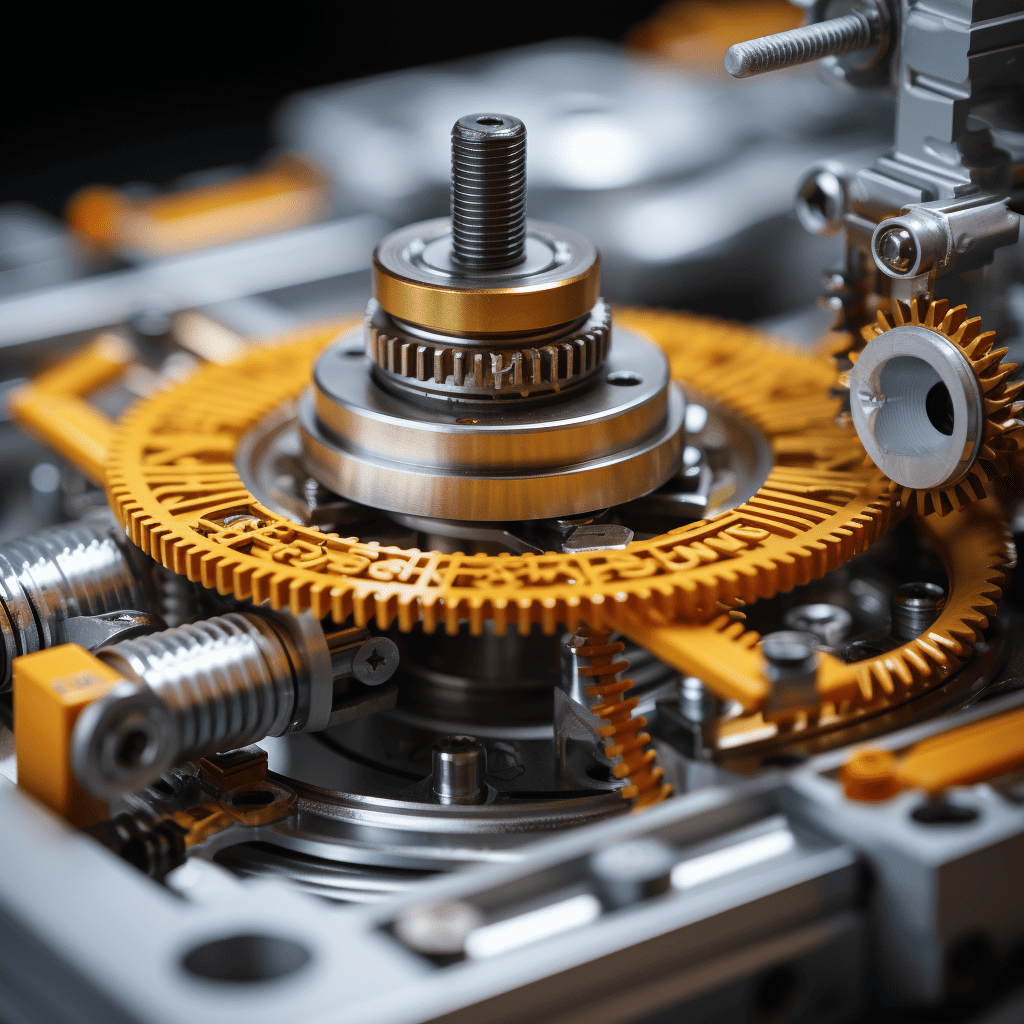
Spring return actuators are comprised of a housing, and an actuation mechanism such as a lever or a piston. The spring is preloaded with potential energy, either in a compressed or extended state. When the actuation mechanism is triggered, the stored energy in the spring is released, causing the actuator to move in a specific direction. Once the actuation mechanism is released, the spring returns the actuator to its original position, hence the term “spring return.”
Types of Spring Return Actuators
Spring return actuators come in various types and designs, each with its unique features and benefits. Some of the most common types include:
- Linear Actuators: These actuators produce a straight, linear motion and are commonly used in applications such as lifting, lowering, pushing, and pulling.
- Rotary Actuators: These actuators produce a rotary motion and are often used in applications such as valve control and positioning.
- Quarter-turn Actuators: These actuators provide a 90-degree rotation and are used in applications such as ball valve control.
- Multi-turn Actuators: These actuators provide a full rotation of up to several turns and are used in applications such as gate valve control.
Benefits of Spring Return Actuators
Spring return actuators offer several advantages over other types of actuators. They are:
- Energy-efficient: Spring return actuators require no external power source, making them energy-efficient and cost-effective.
- Reliable: They have fewer moving parts than other types of actuators, making them less prone to wear and tear, and more reliable in harsh environments.
- Fast Acting: Spring return actuators can operate at high speeds, making them ideal for applications that require fast response times.
- Safe: In the event of a power failure, the spring return actuator will automatically return to its original position, ensuring safety and reducing downtime.
Choosing the Right Spring Return Actuator
When selecting a spring return actuator, it’s essential to consider several factors, including:
- Load requirements: Determine the amount of force required to move the load and select an actuator with the appropriate spring force and stroke length.
- Operating environment: Consider the temperature, humidity, and other environmental factors that may affect the actuator’s performance and select one that is designed for those conditions.
- Mounting options: Consider how the actuator will be mounted and select one with the appropriate mounting hardware and configuration.
- Budget: Determine your budget and select an actuator that provides the required performance at a reasonable cost.
Maintenance and Troubleshooting
Proper maintenance and troubleshooting can help ensure the longevity and reliability of spring return actuators. Regularly inspect the actuator for signs of wear and tear, such as leaks or loose parts. Lubricate the actuator as per the manufacturer’s recommendations to reduce friction and prevent damage. If the actuator fails to operate correctly, troubleshoot the issue by checking the spring tension, actuation mechanism, and other components for potential problems.
Spring return actuators are versatile and reliable mechanical devices that can simplify return movements in various industrial and consumer applications. By understanding their operation, types, benefits, and selection criteria, you can choose the right actuator for your needs and ensure optimal performance and reliability. Regular maintenance and troubleshooting can further extend the life of the actuator and minimize downtime.
Efficiency
One of the primary benefits of using spring return actuators is that they can significantly streamline manual processes, making them more efficient and reducing the risk of human error. By automating repetitive tasks, these actuators can free up operators to focus on more complex and value-added tasks, ultimately increasing productivity and reducing costs.
For example, in manufacturing processes, spring return actuators can be used to open and close valves, move components into position, and perform other tasks that would otherwise require manual intervention. This not only speeds up the production process but also improves accuracy and consistency, reducing the likelihood of defects or errors.
Improving Safety and Reducing Maintenance
Spring return actuators are also commonly used to improve safety in industrial applications. Because they are designed to return to their original position automatically, they can reduce the risk of accidents caused by manual manipulation of machinery or equipment. This is especially important in hazardous environments, where the risk of injury or death is higher.
Additionally, spring return actuators can help to reduce maintenance costs by minimizing wear and tear on equipment. Because they are designed to operate with minimal friction and resistance, they are less likely to experience mechanical failure or require frequent replacement. This not only saves money on repair and replacement costs but also reduces downtime and increases overall equipment effectiveness.
Enhancing Precision and Control
Another key benefit of spring return actuators is their ability to enhance precision and control in mechanical processes. Because they are designed to move in a specific and predictable manner, they can be used to achieve highly accurate and repeatable motion. This is especially important in applications where precise control is critical, such as in the aerospace or medical industries.
For example, in the aerospace industry, spring return actuators are used to control the movement of flaps and landing gear on aircraft. These actuators must be highly reliable and precise in order to ensure the safety and performance of the aircraft. Similarly, in the medical industry, spring return actuators are used to control the movement of surgical instruments and other equipment, where precision and accuracy are critical to successful outcomes.
Overall, spring return actuators play a critical role in simplifying mechanical processes, improving safety and precision, and reducing maintenance and downtime. By automating manual tasks, minimizing wear and tear on equipment, and achieving highly accurate and repeatable motion, these actuators can help to improve productivity, reduce costs, and enhance overall equipment effectiveness.
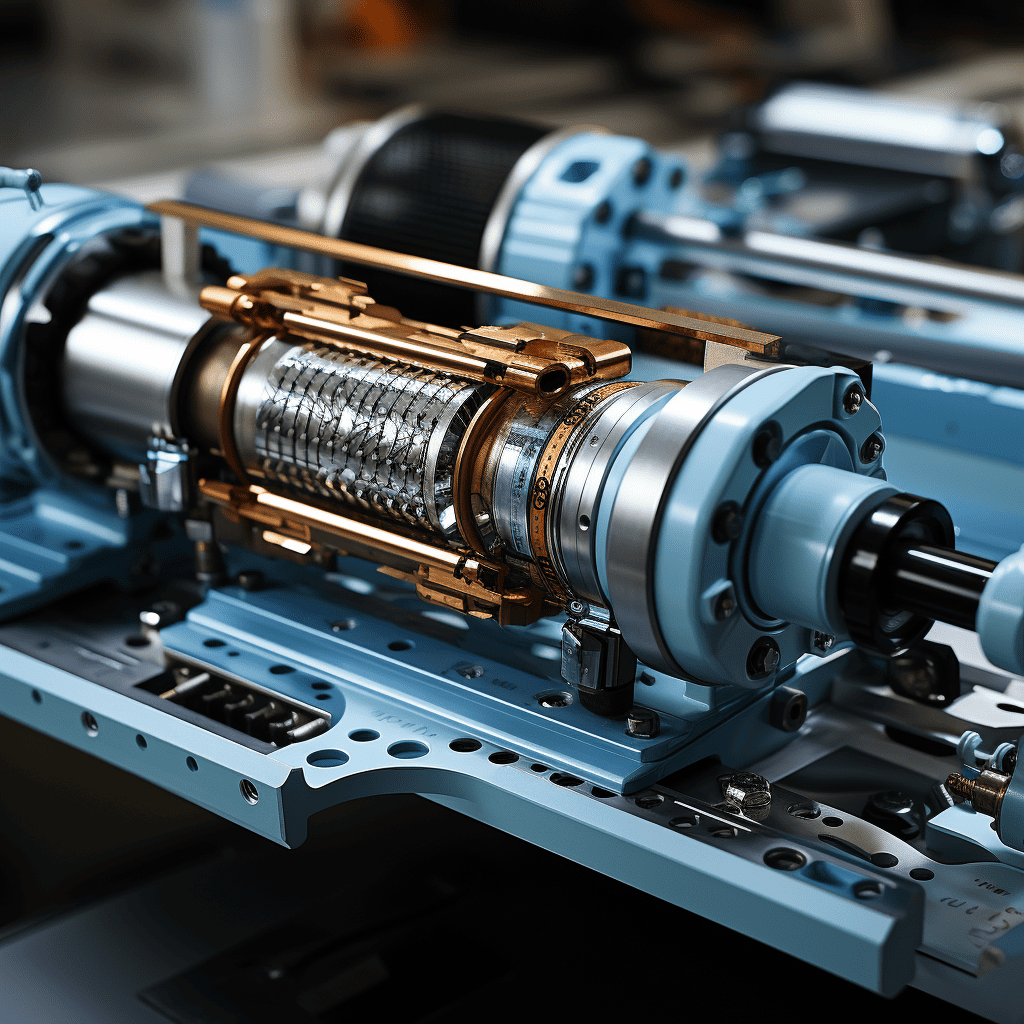
Enhance safety and reduce risks in industrial applications by automatically returning to their original position in case of power failure or other unexpected events. This feature ensures that the actuator does not remain in an unsafe or undesirable position, minimizing the risk of accidents or damage to equipment. Additionally, the use of spring return actuators can help to meet regulatory requirements and industry standards related to safety and reliability.
Versatility and Customization
Spring return actuators are highly versatile and can be customized to meet specific application requirements. They are available in various sizes, shapes, and materials to suit different operating conditions and environments. Additionally, spring return actuators can be equipped with various accessories such as position indicators, limit switches, and solenoid valves to enhance their functionality and performance.
Applications
Spring return actuators are used in a wide range of industrial applications, including:
* Power generation: Spring return actuators are used to control valves and dampers in power plants to regulate steam flow, improve efficiency, and reduce emissions.
* Water treatment: Spring return actuators are used to control water flow and pressure in water treatment plants to ensure safe and reliable drinking water.
* Chemical processing: Spring return actuators are used to control valves and pumps in chemical processing plants to ensure safe and efficient operation.
* Manufacturing: Spring return actuators are used to automate production processes, such as opening and closing molds, to improve efficiency and reduce labor costs.
* Mining: Spring return actuators are used to control valves and pumps in mining operations to improve safety and productivity.
Spring return actuators offer numerous benefits and applications for industrial applications. Their cost-effective solution, reliable and consistent performance, improved safety and reduced risk, versatility and customization, and wide range of applications make them an ideal choice for various industries. By selecting the right spring return actuator for a specific application, businesses can improve efficiency, reduce costs, and enhance safety.
Choosing the Right Spring Return Actuator for Your Industrial Needs: A Comprehensive Guide
Understanding Your Requirements: Key Factors to Consider
Selecting the right spring return actuator for your industrial application is crucial to ensuring optimal performance and reliability. Here are some key factors to consider:
* Type of motion required: Spring return actuators can provide either linear or rotary motion, depending on your application’s needs. Linear actuators move in a straight line, while rotary actuators rotate around an axis.
* Force and speed requirements: The actuator’s force and speed capabilities should match the requirements of your application. Force refers to the amount of pressure the actuator can generate, while speed refers to how fast it can move.
* Operating environment: Consider the temperature, humidity, and exposure to chemicals or other contaminants in the environment where the actuator will be used. This will help you choose the right materials and design features for your application.
* Safety and regulatory requirements: Depending on the application, safety features such as fail-safe mechanisms, limit switches, and emergency stops may be necessary to comply with regulatory requirements.
Choosing the Right Type of Actuator: Pros and Cons of Popular Designs
Spring return actuators come in various designs, each with its unique advantages and disadvantages. Here are some popular designs and their key features:
* Rack and pinion actuators: Ideal for applications that require high accuracy and repeatability, rack and pinion actuators are durable and reliable. They consist of a circular gear (pinion) that meshes with a linear gear (rack). The rack is attached to the load, and when the pinion turns, the rack moves linearly. However, they may require regular maintenance and are less suitable for high-speed applications.
* Scotch yoke actuators: Well-suited for applications that require fast and powerful linear motion, scotch yoke actuators are simple and cost-effective. They consist of a slider that moves back and forth along a linear path. A rotating yoke is attached to the slider and is connected to a linkage that converts rotary motion into linear motion. However, they may not provide the same level of accuracy and repeatability as rack and pinion actuators.
* Diaphragm actuators: Ideal for applications that require cleanliness and contamination control, diaphragm actuators are hermetically sealed and can operate in harsh environments. They consist of a flexible diaphragm that is connected to a piston. When the diaphragm expands or contracts, it moves the piston linearly. However, they may be less durable and have lower force capabilities than other designs.
Considering the Operating Environment: Key Material Considerations
When selecting a spring return actuator, it’s important to consider the operating environment and choose the right material for the job. Key considerations include:
* Temperature: Choose materials that can withstand the operating temperature range without degrading. Common materials for high-temperature environments include stainless steel and inconel.
* Humidity: Consider materials that are resistant to corrosion in humid environments, such as 316 stainless steel or nickel-plated aluminum.
* Chemical exposure: Choose materials that are resistant to chemical attack, such as PTFE or titanium.
Evaluating Safety Features: Ensuring Compliance and Reducing Risk
Safety is a critical consideration when selecting a spring return actuator. Key safety features to consider include:
* Fail-safe mechanisms: These mechanisms prevent the actuator from moving in the event of a power failure or other malfunction. They can be mechanical, electrical, or hydraulic.
* Limit switches: These switches provide feedback on the actuator’s position and prevent it from moving beyond its designated limits. They can be mechanical or electrical.
* Emergency stops: These mechanisms allow operators to quickly stop the actuator in the event of an emergency. They can be manual or automatic.
Considering Maintenance and Service: Tips for Maximizing Performance and Longevity
Regular maintenance and service can help ensure that your spring return actuator operates reliably and efficiently over time. Here are some tips for maximizing performance and longevity:
* Follow the manufacturer’s recommended maintenance schedule: This will help prevent wear and tear and extend the actuator’s lifespan.
* Use genuine replacement parts: Using parts that are specifically designed for your actuator can help ensure compatibility and performance.
* Work with a reputable service provider: A service provider with experience in your specific type of actuator can help ensure that maintenance and repairs are done correctly.
By carefully considering these factors and selecting the right spring return actuator for your industrial needs, you can simplify return movements, improve efficiency, and reduce the risk of downtime and costly repairs. Key entities to consider when choosing a spring return actuator include the type of motion required, force and speed requirements, operating environment, safety and regulatory requirements, type of actuator, and material considerations. By evaluating these factors and choosing the right safety features and maintenance schedule, you can ensure optimal performance and reliability for your industrial application.


