

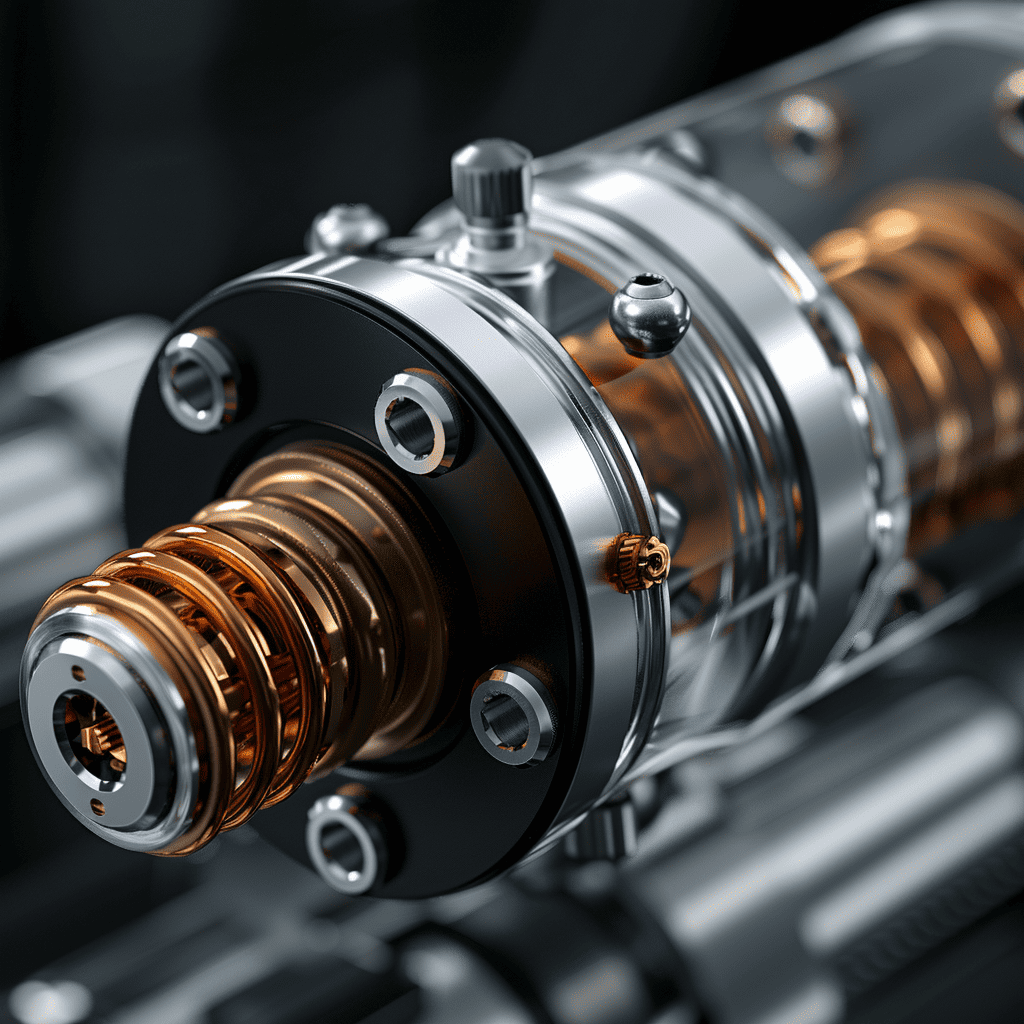
Mastering the Mechanism of Spring Return Actuators: Types, Components, and Applications
The Definition and Purpose of Spring Return Actuators
Spring return actuators are mechanical devices designed to convert energy into motion. They are commonly used in applications where a return to a default position is essential after completing an action. Spring return actuators harness the power of a compressed or extended spring to generate force. The spring acts as the energy source, enabling the actuator to move a load to a specific position before reverting to its original state.
Types of Spring Return Actuators and their Designs
Spring return actuators can be divided into two primary categories: pneumatic and hydraulic. Pneumatic actuators use compressed air as the primary power source, while hydraulic actuators rely on pressurized fluid. Each category includes various designs, such as diaphragm, piston, and vane actuators. Selecting the appropriate type depends on factors like power, speed, and precision.
Components and Assembly of Spring Return Actuators
A standard spring return actuator consists of several critical components: the spring, piston, cylinder, and control valve. The spring stores and releases energy, while the piston and cylinder work together to create linear motion. The control valve regulates the flow of air or fluid, allowing the actuator to extend and retract as needed. Proper assembly and regular maintenance of these components are vital for optimal performance and longevity.
Advantages of Using Spring Return Actuators
Spring return actuators offer numerous benefits over other actuator types. They are often compact and lightweight, making them suitable for space-constrained applications. They are also known for their long service life and reliability, as they have minimal moving parts and are resistant to wear from friction. Furthermore, they provide rapid response times and can generate substantial forces, making them appropriate for a wide range of applications.
Selecting the Right Spring Return Actuator for Your Application
Choosing the ideal spring return actuator for your specific needs involves assessing several factors, such as the required force, speed, and stroke length. It is also crucial to consider the operating environment, including temperature, humidity, and exposure to corrosive substances. By carefully evaluating these factors, you can select an actuator that will offer reliable and efficient performance in your application.
Real-World Applications of Spring Return Actuators
Spring return actuators are employed in a diverse array of industries and applications, such as:
- Manufacturing: They are used in assembly lines, robotics, and material handling equipment.
- Automotive: They control functions like doors, windows, and seats.
- Aerospace: They operate valves, flaps, and landing gear.
- Energy: They manage flow control and safety systems in power plants and oil rigs.
Customization Options for Spring Return Actuators
Spring return actuators can be customized to meet specific application requirements. Manufacturers offer various options for springs, cylinders, and control valves, enabling engineers to tailor the actuator’s performance to their needs. Additionally, accessories like position feedback sensors and limit switches can be integrated to enhance functionality and monitoring capabilities.
Maintenance and Troubleshooting of Spring Return Actuators
Regular maintenance is crucial for ensuring the optimal performance and longevity of spring return actuators. Common maintenance tasks include lubricating moving parts, inspecting seals, and replacing worn components. In case of issues, systematic troubleshooting can help identify the root cause and implement corrective measures. Consulting the manufacturer’s guidelines and seeking assistance from experienced professionals can facilitate effective maintenance and troubleshooting.
Additional Considerations: Noise, Efficiency, and Cost
When selecting a spring return actuator, it is essential to consider factors such as noise levels, energy efficiency, and cost. Some applications may require quieter operation, while others may prioritize energy savings or budget constraints. By evaluating these factors alongside the primary specifications, you can ensure that the chosen actuator meets all of your application’s requirements.
Integrating Spring Return Actuators into Existing Systems
Incorporating spring return actuators into existing systems often requires modifications and adaptations. This may involve designing custom mounting brackets, modifying control systems, or integrating additional components. Working closely with actuator manufacturers and experienced engineers can help streamline this process and ensure a successful implementation.
Comparing Spring Return Actuators to Other Actuator Types
When considering spring return actuators, it is essential to compare them to other actuator types, such as electric, servo, and solenoid actuators. Each type has its advantages and disadvantages, and the best choice depends on the specific application requirements. By evaluating the performance, cost, and compatibility of each actuator type, you can make an informed decision that meets your needs.
Future Developments in Spring Return Actuator Technology
The field of spring return actuators is continually evolving, with new advancements in materials, designs, and control systems. These developments aim to improve performance, reliability, and energy efficiency while reducing costs and maintenance requirements. Staying informed about these innovations can help you make the most of your spring return actuator investments and ensure that your systems remain at the forefront of technology.
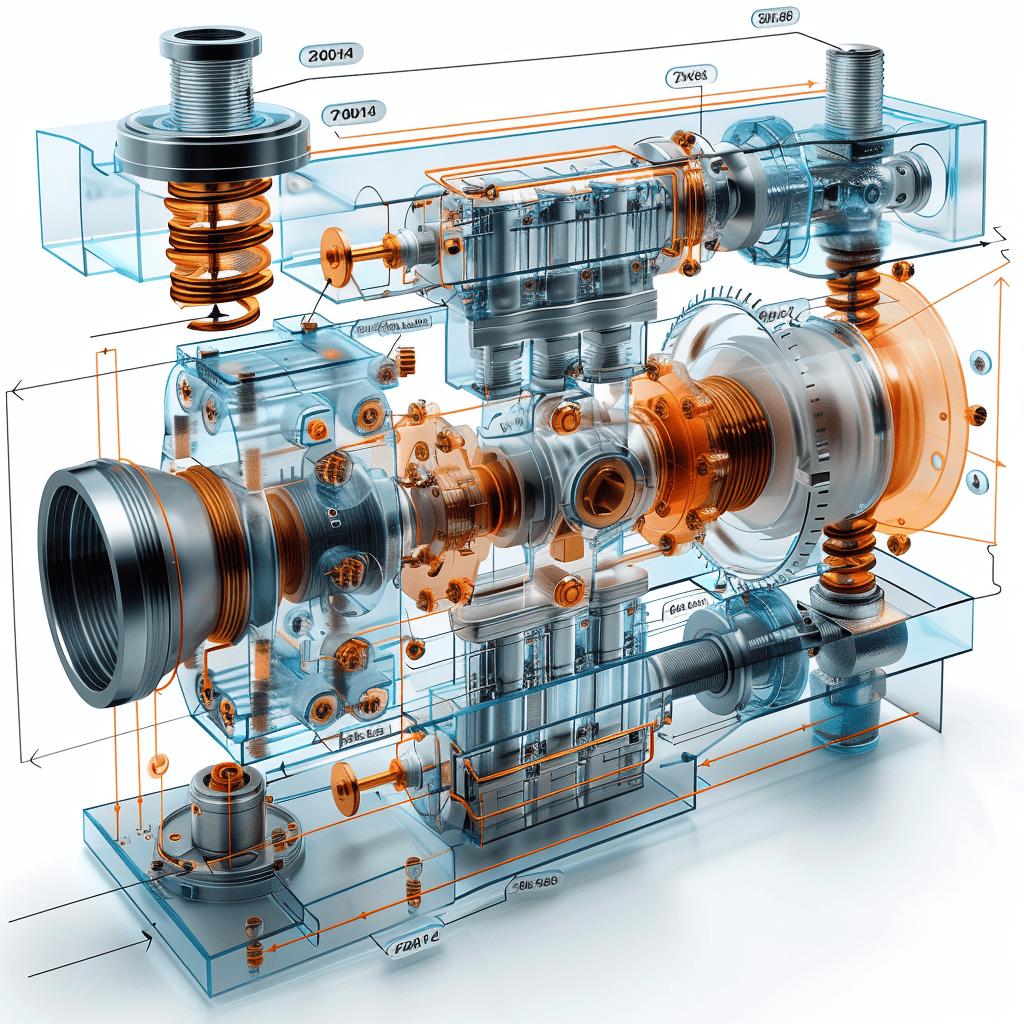
Key Mechanisms: How Spring Return Actuators Function
The Role of Springs in Generating Motion
The spring is a crucial component of a spring return actuator, as it provides the energy necessary for motion. Springs store potential energy when they are compressed or extended, which is then released to generate force. In a spring return actuator, the spring pushes or pulls the piston, creating linear motion. The stiffness and size of the spring determine the amount of force generated and the speed at which the actuator returns to its default position.
Choosing the right spring is essential for optimal performance. Factors such as load, travel distance, and operating environment must be carefully considered. For instance, a stiffer spring may be required for heavier loads or longer travel distances. Likewise, a spring with a higher temperature rating may be necessary for applications in extreme environments.
In selecting the right spring, it is also important to consider the spring rate, which is the amount of force required to compress or extend the spring by a certain distance. A higher spring rate will result in a faster return speed, while a lower spring rate will provide smoother motion.
Pneumatic and Hydraulic Systems: Powering Spring Return Actuators
Pneumatic and hydraulic systems are commonly used to power spring return actuators. In a pneumatic system, compressed air is introduced into the cylinder, pushing the piston and compressing the spring. Once the air is exhausted, the spring extends, causing the piston to retract. In a hydraulic system, pressurized fluid replaces compressed air. Both systems offer advantages in terms of power, speed, and control, depending on the specific application.
Pneumatic systems are generally preferred for their simplicity, cost-effectiveness, and cleanliness. They are well-suited for applications requiring fast response times, high speeds, and precise control. In contrast, hydraulic systems offer greater power and force, making them ideal for heavy-duty applications such as construction equipment and manufacturing machinery.
Control Valves: Regulating Actuator Movement
Control valves are responsible for regulating the flow of air or fluid into the actuator’s cylinder, determining when the piston extends or retracts. These valves can be manually operated or controlled by an external signal, such as an electric solenoid or pneumatic pilot valve. By adjusting the control valve, users can modify the actuator’s response time, force, and stroke length, enabling precise control over the actuator’s motion.
Proportional control valves are often used for applications requiring precise positioning or variable speed control. These valves can modulate the flow of air or fluid to the actuator, allowing for smooth and accurate motion control. In contrast, on-off control valves are used for applications requiring simple open/close or extend/retract functionality.
Double-Acting vs. Single-Acting Spring Return Actuators
Spring return actuators can be classified as either double-acting or single-acting. In a double-acting actuator, air or fluid pressure is used to extend and retract the piston, while the spring assists in returning the piston to its default position. In contrast, single-acting actuators rely solely on the spring for retraction, with air or fluid pressure used only to extend the piston. Double-acting actuators generally provide faster response times and higher forces, but single-acting designs may be more suitable for specific applications.
Double-acting actuators are typically used for applications requiring high force and precise control. They are well-suited for tasks such as lifting, positioning, and clamping. In contrast, single-acting actuators are often used for simple on/off or open/close functions, such as in valve control or door operation.
Double-acting actuators can also be subclassified as direct-acting or reverse-acting. In a direct-acting actuator, the piston is pushed by the air or fluid pressure, while in a reverse-acting actuator, the piston is pulled by the pressure. Reverse-acting actuators are often used when the actuator needs to overcome a high load or when the actuator needs to move in the opposite direction of the applied pressure.
Safety Features in Spring Return Actuators
Safety is a critical consideration in the design and operation of spring return actuators. To prevent unintended motion or damage to the actuator, various safety features can be incorporated. For example, pressure relief valves can be installed to prevent excessive pressure buildup, while position limit switches can be used to stop the actuator at predetermined points. Additionally, fail-safe mechanisms, such as spring-loaded brakes, can be employed to hold the actuator in place in the event of a power loss or system failure.
Safety interlocks can be used to prevent operation of the actuator until certain conditions are met, such as the presence of personnel or the proper alignment of components. Emergency stop buttons can also be installed to quickly and easily halt the actuator in the event of an emergency. These safety features help to protect both the operator and the equipment from harm.
Advantages and Disadvantages of Spring Return Actuators
Spring return actuators offer several advantages over other types of actuators. They are generally more compact and lightweight, making them ideal for applications with limited space or weight restrictions. They also tend to be more reliable and have a longer lifespan than other actuators, as they have fewer moving parts and do not require external power sources to return to their default position.
However, spring return actuators do have some disadvantages. They may not be suitable for applications requiring high speeds or precise control, as the spring can introduce variability in the actuator’s motion. Additionally, spring return actuators may not be suitable for applications requiring high forces or large travel distances, as the spring can become fatigued or damaged over time.
Choosing the Right Spring Return Actuator for Your Application
When selecting a spring return actuator for your application, it is important to consider several factors, including the required force, travel distance, speed, and precision. Additionally, the operating environment, such as temperature, humidity, and vibration, should be taken into account.
Consulting with a reputable manufacturer or supplier can help ensure that the right spring return actuator is chosen for the job. With the right actuator, optimal performance, reliability, and safety can be achieved.
Applications of Spring Return Actuators
Spring return actuators have a wide range of applications across various industries. Some common examples include:
- Valve control: Spring return actuators are often used to control the opening and closing of valves in fluid handling systems.
- Material handling: Actuators can be used to lift, position, and transfer materials in manufacturing and warehousing environments.
- Automation: Actuators can be integrated into automated systems to perform tasks such as assembly, packaging, and inspection.
- Robotics: Actuators can be used to control the movement of robotic arms and end effectors in applications such as assembly, welding, and painting.
Custom solutions can also be developed to meet specific application requirements. With their versatility and reliability, spring return actuators are an essential component in many mechanical systems.
Spring return actuators are a crucial component in many mechanical systems, providing reliable and precise linear motion. By understanding the key mechanisms and features of spring return actuators, users can select the right actuator for their specific application and achieve optimal performance, reliability, and safety.
Whether you are designing a new system or looking to replace an existing actuator, a spring return actuator may be the ideal solution for your needs. With their compact size, lightweight design, and long lifespan, spring return actuators offer a cost-effective and efficient solution for a wide range of applications.
Practical Applications: Where Spring Return Actuators are Commonly Used
Industrial Automation and Robotics
Spring return actuators are extensively used in industrial automation and robotics, where they are highly valued for their speed, precision, and reliability. They can be found in assembly lines, material handling systems, and packaging machines, where they perform tasks such as opening and closing grippers, positioning components, and operating valves. Spring return actuators are particularly well-suited for these applications due to their ability to generate high forces and quickly return to their original position. They offer a cost-effective and energy-efficient solution for automating industrial processes, while also improving safety and reducing downtime.
Mining and Construction Equipment
In the mining and construction sectors, spring return actuators are employed to control various functions in heavy machinery. For example, they may be used to operate hydraulic excavator buckets, adjust conveyor belts, or control the movement of drilling equipment. The ability of spring return actuators to generate large forces and withstand harsh environments, such as extreme temperatures and high vibrations, makes them ideal for these applications. Additionally, their compact size and lightweight design allow them to be easily integrated into existing equipment. They offer a dependable and durable solution for improving the efficiency and safety of mining and construction operations.
Aerospace and Defense Systems
Spring return actuators play a vital role in aerospace and defense systems, where they are used to control various functions such as landing gear deployment, cargo door operation, and aircraft seat positioning. The compact size, lightweight design, and high reliability of spring return actuators make them suitable for use in aircraft, spacecraft, and military vehicles. Additionally, their ability to operate in extreme temperatures and high pressures makes them well-suited for use in these demanding environments. They offer a critical solution for ensuring the safety and performance of aerospace and defense systems.
Medical Devices and Equipment
Medical devices and equipment often require precise and reliable motion control, making spring return actuators a popular choice. They are commonly used in applications such as infusion pumps, hospital beds, and imaging equipment. The ability of spring return actuators to provide smooth and consistent motion, combined with their long service life, makes them well-suited for use in these critical applications. Moreover, their small size and low power consumption make them ideal for portable medical devices. They offer a safe and effective solution for improving patient care and medical outcomes.
Energy and Utilities Sector
Spring return actuators are also widely used in the energy and utilities sector, where they are employed to control valves, dampers, and other components in power generation, transmission, and distribution systems. Their ability to operate in extreme temperatures, high pressures, and corrosive environments makes them an ideal choice for these demanding applications. Additionally, their high reliability and low maintenance requirements make them well-suited for use in remote or inaccessible locations. They offer a cost-effective and efficient solution for improving the performance and safety of energy and utilities systems.
Novel Applications
In addition to these traditional applications, spring return actuators are also finding new uses in emerging fields. For example, they are being used in the development of soft robotics, where their ability to provide smooth and controlled motion makes them ideal for use in wearable devices and prosthetics. They are also being used in the development of autonomous vehicles, where their high reliability and fast response times are critical for ensuring safe and efficient operation. Other novel applications include precision agriculture, where they are used to control irrigation systems and drones, and entertainment, where they are used in animatronics and special effects.
Spring return actuators are a versatile and reliable technology that is used in a wide range of applications. Their ability to provide precise and consistent motion, combined with their compact size and low power consumption, make them well-suited for use in a variety of industries. As new applications for spring return actuators continue to emerge, it is clear that they will remain an important technology for many years to come.
![Infographic: Advantages (compact reliable fast) and limitations (force fatigue) of spring return actuators with icons and descriptions. Image credit: [source]](https://cdn.shortpixel.ai/spai/q_glossy+ret_img+to_webp/i0.wp.com/techmestuff.com/wp-content/uploads/2024/02/advantages-limitations-spring-actuators.png?w=1080&ssl=1)
Advantages and Limitations of Spring Return Actuators in Real-World Scenarios: Compact and Efficient Solutions for Critical Applications
Advantages: Compact and Lightweight Design
One of the primary advantages of spring return actuators is their compact and lightweight design. This makes them ideal for applications where space is limited or weight reduction is a critical factor. For instance, they are commonly used in aerospace and automotive industries where every gram counts. Their small size allows for easy installation and integration into existing systems, making them a versatile solution for many applications. Spring return actuators are also ideal for mobile and portable equipment, where their lightweight design and compact size can improve mobility and reduce energy consumption.
Advantages: High Reliability and Long Service Life
Spring return actuators are known for their high reliability and long service life. With few moving parts, they are less prone to wear and tear than other types of actuators. The use of springs as the primary energy source also reduces the risk of catastrophic failure, as there are no electrical components that can fail suddenly. This makes them well-suited for critical applications where downtime is not an option, such as nuclear power plants. Additionally, their lack of electrical components makes them immune to electromagnetic interference (EMI), which can be a significant advantage in certain applications.
Advantages: Rapid Response Time and Precision
Spring return actuators offer rapid response times and precise motion control. This makes them well-suited for applications that require quick and accurate positioning or force application. For example, they are commonly used in robotics and manufacturing processes where speed and precision are essential. Additionally, their ability to operate in both pneumatic and hydraulic systems provides flexibility in terms of power, speed, and control.
Advantages: Low Power Consumption and Cost-Effective
Spring return actuators are also known for their low power consumption and cost-effectiveness. They do not require a constant power source, as they rely on the energy stored in the spring. This makes them ideal for applications where energy efficiency is a priority. Additionally, they are generally less expensive than other types of actuators, making them a cost-effective solution for many applications.
Limitations: Limited Force and Stroke Length
Although spring return actuators offer many advantages, they do have some limitations. One such limitation is their limited force and stroke length. Compared to other types of actuators, spring return designs may not be able to generate as much force or travel as far. This can make them unsuitable for applications that require large movements or high forces, such as heavy machinery. However, advancements in materials science and design techniques are continually expanding the capabilities of these actuators.
Limitations: Susceptibility to Spring Fatigue and Wear
While spring return actuators are generally reliable, they can be susceptible to spring fatigue and wear. Over time, the spring can lose its ability to return to its original shape, resulting in a loss of force or stroke length. This can be mitigated through proper maintenance and the use of high-quality materials, such as stainless steel or titanium alloys. However, it remains a potential limitation in certain applications, such as continuous operation or high-cycle environments.
Additional Considerations and related concepts
Here are some additional considerations and novel concepts that can further enhance the understanding and application of spring return actuators:
- Load capacity: Spring return actuators have a limited load capacity, which is determined by the spring force and actuator size. It is important to consider the load requirements of the application before selecting a spring return actuator.
- Environmental conditions: Spring return actuators can be affected by environmental conditions such as temperature, humidity, and vibration. It is important to consider these factors when selecting a spring return actuator, and to choose one that is appropriate for the operating environment.
- Cost: Spring return actuators are generally less expensive than other types of actuators, such as electric or hydraulic actuators. However, the cost can vary depending on the size, materials, and features of the actuator.
- Customization: Spring return actuators can be customized to meet specific application requirements. For example, the spring force and stroke length can be adjusted to achieve the desired motion control. Additionally, the actuator can be designed to meet specific environmental or regulatory requirements.
- Advanced materials: Novel materials such as shape memory alloys and high-strength composites are being developed for use in spring return actuators. These materials offer improved performance characteristics, such as higher load capacity and longer service life.
Even more related concepts
- Mobile and portable equipment
- Electromagnetic interference (EMI)
- Robotics
- Manufacturing processes
- Load capacity
- Temperature
- Humidity
- Vibration
- Shape memory alloys
- High-strength composites


