
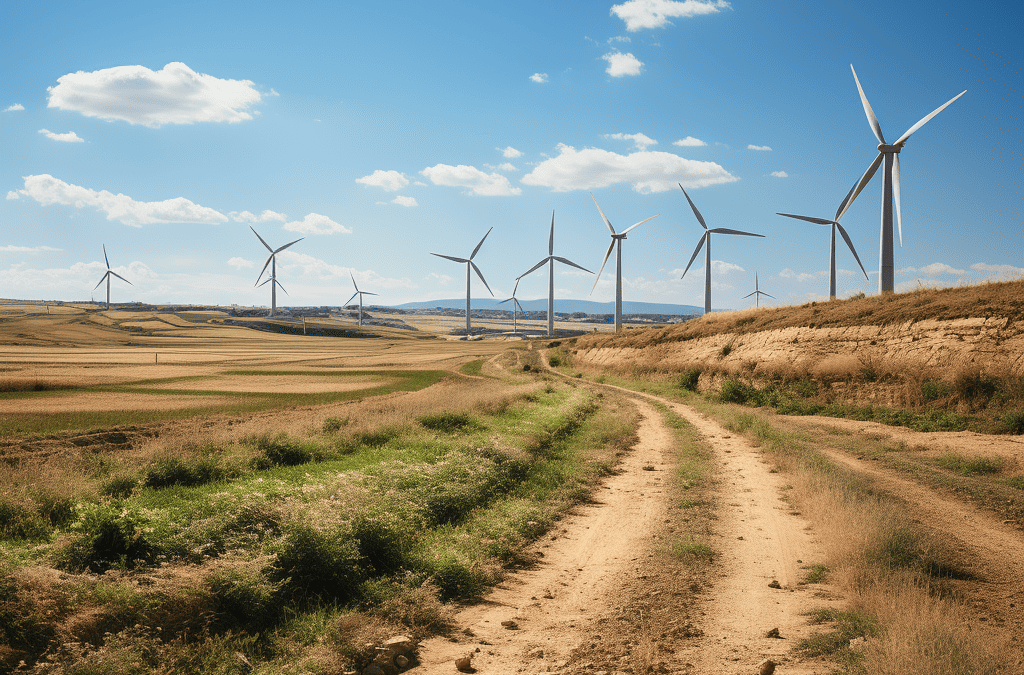

Understanding Wind Turbines: Harnessing the Power of the Wind
Wind turbines are large, rotating machines that convert the kinetic energy of the wind into mechanical power. This mechanical power can then be used to generate electricity, providing a clean and renewable source of energy. The basic components of a wind turbine include the rotor blades, the hub, the nacelle, and the tower. The rotor blades are the large, airfoil-shaped structures that capture the wind and cause the turbine to rotate. The hub connects the rotor blades to the nacelle, which houses the generator and other electrical components. The tower supports the entire structure and raises it high enough off the ground to capture the strongest winds. Wind turbines can be used to generate electricity for a single home or building, or they can be connected to the power grid to provide electricity to entire communities.
How Do Wind Turbines Work?
When the wind blows, it creates a force on the rotor blades, causing them to spin. This rotation causes a shaft inside the nacelle to turn, which is connected to a generator. The generator produces electricity, which is then sent through a transformer to increase the voltage and make it suitable for transmission over power lines. Wind turbines can be used to generate electricity for a single home or building, or they can be connected to the power grid to provide electricity to entire communities.
The Benefits of Wind Energy
Wind energy has many benefits over traditional fossil fuels. For one, it produces no greenhouse gas emissions or air pollution, making it a much more environmentally friendly option. Additionally, wind energy is a domestic resource that can be harnessed here in the United States, reducing our dependence on foreign oil and creating jobs in the process. Wind energy is also becoming increasingly cost-competitive with traditional energy sources, making it a smart choice for both the environment and the economy.
Types of Wind Turbines
There are two main types of wind turbines: horizontal-axis wind turbines (HAWTs) and vertical-axis wind turbines (VAWTs). HAWTs are the most common type of wind turbine and consist of a rotor with blades that rotate around a horizontal axis. VAWTs, on the other hand, have a rotor that spins around a vertical axis. Both types of wind turbines have their own advantages and disadvantages. HAWTs are typically more efficient and can generate more electricity, but they require more wind to start spinning and can be noisy. VAWTs, on the other hand, are quieter and can operate in lower wind speeds, but they are typically less efficient and can be more difficult to maintain. Offshore wind turbines, which are located in bodies of water, are becoming increasingly popular due to their ability to take advantage of stronger and more consistent wind resources.
Wind Turbine Efficiency and Capacity Factor
The efficiency of a wind turbine refers to its ability to convert the kinetic energy of the wind into electrical energy. The capacity factor of a wind turbine, on the other hand, refers to the amount of electricity it is capable of producing over a given period of time, compared to its maximum potential output. The efficiency of a wind turbine is determined by a number of factors, including the design of the rotor blades, the size of the turbine, and the wind speed. The capacity factor of a wind turbine is influenced by the local wind conditions and the availability of wind resources. Modern wind turbines have efficiencies of around 40-50%, and capacity factors of around 20-40%.
Wind Turbine Placement
Wind turbines are typically placed in areas with high average wind speeds, as this allows them to generate the most electricity. Wind turbines can be placed on land or in bodies of water, and they can be used to generate electricity for a single home or building, or they can be connected to the power grid to provide electricity to entire communities. Careful consideration must be given to the placement of wind turbines, as they can have an impact on wildlife, particularly birds and bats. Additionally, wind turbines can be noisy and may cause visual pollution, which can be a concern for some people. Therefore, it is important to carefully consider the potential impacts of wind turbines before deciding on their placement.
The Future of Wind Energy
The future of wind energy looks bright, with advancements in technology and increasing demand for clean, renewable energy sources. Wind energy is expected to play a major role in meeting the world’s energy needs in the coming decades, with the global wind energy market projected to grow significantly in the next few years. Advancements in wind turbine technology, including larger turbines and more efficient designs, are expected to drive this growth. Additionally, the development of offshore wind farms, which can take advantage of stronger and more consistent wind resources, is expected to contribute to the growth of the wind energy market. As the cost of wind energy continues to decline and the technology becomes more advanced, it is likely that wind energy will become an increasingly important part of the global energy mix.

The Role of the Grid in Distributing Renewable Energy: Balancing Intermittency and Stability for a Sustainable Future
What is the Grid?
The grid, or power grid, refers to the vast network of interconnected power lines, transformers, and other electrical equipment that delivers electricity from power plants to homes and businesses. As the backbone of modern energy infrastructure, the grid plays a crucial role in integrating renewable energy sources, such as wind and solar, into our energy mix.
Addressing Intermittency and Variability
Integrating renewable energy sources onto the grid presents unique challenges, including the intermittent and variable nature of renewable energy production. Unlike traditional power plants that generate a steady supply of electricity, renewable energy sources produce electricity only when the wind is blowing or the sun is shining. This can lead to fluctuations in the frequency and voltage of the grid, making it difficult to maintain grid stability and reliability.
To address these challenges, advanced grid management systems are essential. These systems use real-time monitoring and control technologies to ensure that the grid remains stable and reliable as more renewable energy sources are added. Additionally, energy storage systems, such as batteries and pumped hydro, can store excess renewable energy when it is produced and release it when it is needed. This helps to smooth out the fluctuations in renewable energy output and maintain a steady supply of electricity to meet demand.
Maintaining Grid Stability and Reliability
Maintaining the stability and reliability of the grid is critical to ensuring the delivery of electricity to consumers. Grid operators use a variety of tools and techniques, such as energy storage, demand response, and grid balancing, to maintain grid stability and reliability. Demand response programs, which encourage consumers to reduce their electricity usage during times of high demand, can also help to maintain grid stability by reducing overall demand on the grid.
The Role of Energy Storage in Integrating Renewable Energy
Energy storage systems are a key component of the grid’s ability to integrate renewable energy sources. These systems can store excess renewable energy when it is produced and release it when it is needed, providing a steady supply of electricity to meet demand. Energy storage systems can also improve the reliability and resilience of the grid, providing backup power during outages and other disruptions.
Battery storage systems, in particular, are becoming increasingly popular for integrating renewable energy onto the grid. These systems use advanced technologies, such as lithium-ion batteries, to store large amounts of electricity for short periods of time. This allows them to quickly respond to changes in renewable energy output and provide backup power when needed.
The Future of the Grid: A More Distributed and Decentralized System
The grid is evolving to become a more distributed and decentralized system, with the growth of renewable energy sources and the proliferation of distributed energy resources, such as rooftop solar panels and electric vehicles. This evolution will require significant upgrades to the grid, including the deployment of advanced sensors, controls, and communication systems. The future grid will be more flexible, resilient, and efficient, able to accommodate a wide range of renewable energy sources and distributed energy resources.
Microgrids: Decentralized Solutions for a More Resilient Grid
Decentralized energy systems, also known as microgrids, are small-scale power grids that can operate independently of the larger grid. These systems can be powered by a combination of renewable energy sources, such as wind and solar, and can provide backup power during outages and other disruptions. Microgrids can also help to improve the reliability and resilience of the larger grid by providing a source of distributed generation that can be used to support the grid during times of high demand.
In conclusion, the grid plays a critical role in the integration of renewable energy sources into our energy mix. By addressing the challenges of intermittency and variability, and by deploying advanced grid management technologies and energy storage systems, we can ensure that the grid remains stable and reliable as we transition to a cleaner, more sustainable energy future.
The Role of the Grid in Unlocking the Full Potential of Renewable Energy
What is the Grid?
The grid, also known as the power grid or electrical grid, is an intricate network of power lines, transformers, and other electrical equipment that delivers electricity from power plants to consumers. The grid is a vital component of modern energy infrastructure, enabling the efficient distribution of electricity over vast distances and facilitating the integration of renewable energy sources, such as wind and solar, into our energy mix.
Overcoming the Challenges of Renewable Energy Integration
Integrating renewable energy sources onto the grid presents unique challenges, as these sources are often intermittent and variable. Unlike traditional power plants that generate a steady supply of electricity, renewable energy sources produce electricity only when the wind is blowing or the sun is shining, leading to fluctuations in the frequency and voltage of the grid. To address these challenges, advanced grid management systems are essential.
Grid management systems use real-time monitoring and control technologies to ensure that the grid remains stable and reliable as more renewable energy sources are added. Additionally, energy storage systems, such as batteries and pumped hydro, can store excess renewable energy when it is produced and release it when it is needed. This helps to smooth out the fluctuations in renewable energy output and maintain a steady supply of electricity to meet demand.
The Benefits of Grid Modernization
Modernizing the grid to accommodate renewable energy sources offers numerous benefits, including improved grid reliability, resilience, and efficiency. Advanced grid management systems can detect and respond to fluctuations in renewable energy output in real-time, ensuring that the grid remains stable and reliable even during periods of high renewable energy production. Energy storage systems can also improve the resilience of the grid by providing backup power during outages and other disruptions.
Microgrids: A Decentralized Approach to Energy Distribution
Microgrids, small-scale power grids that can operate independently of the larger grid, are another important component of grid modernization. These systems can be powered by a combination of renewable energy sources, such as wind and solar, and can provide backup power during outages and other disruptions. Microgrids can also help to improve the efficiency and reliability of the larger grid by reducing the need for long-distance transmission of electricity.
In conclusion, the grid plays a critical role in unlocking the full potential of renewable energy sources. By modernizing the grid and deploying advanced grid management technologies and energy storage systems, we can ensure that the grid remains stable, reliable, and resilient as we transition to a cleaner, more sustainable energy future.
The Role of the Grid in Enabling a Clean Energy Future
What is the Grid?
The grid, or power grid, refers to the vast network of power lines, transformers, and other electrical equipment that deliver electricity from power plants to homes and businesses. The grid is a vital component of modern energy infrastructure, enabling the efficient distribution of electricity over vast distances and facilitating the integration of renewable energy sources, such as wind and solar, into our energy mix.
Addressing the Challenges of Renewable Energy Integration
Integrating renewable energy sources onto the grid presents unique challenges, as these sources are often intermittent and variable. Unlike traditional power plants that generate a steady supply of electricity, renewable energy sources produce electricity only when the wind is blowing or the sun is shining, leading to fluctuations in the frequency and voltage of the grid. To address these challenges, advanced grid management systems and energy storage technologies are essential.
Grid management systems use real-time monitoring and control technologies to ensure that the grid remains stable and reliable as more renewable energy sources are added. Energy storage systems, such as batteries and pumped hydro, can store excess renewable energy when it is produced and release it when it is needed. This helps to smooth out the fluctuations in renewable energy output and maintain a steady supply of electricity to meet demand.
The Benefits of Grid Modernization
Modernizing the grid to accommodate renewable energy sources offers numerous benefits, including improved grid reliability, resilience, and efficiency. Advanced grid management systems can detect and respond to fluctuations in renewable energy output in real-time, ensuring that the grid remains stable and reliable even during periods of high renewable energy production. Energy storage systems can also improve the resilience of the grid by providing backup power during outages and other disruptions.
Microgrids: A Decentralized Approach to Energy Distribution
Microgrids, small-scale power grids that can operate independently of the larger grid, are another important component of grid modernization. These systems can be powered by a combination of renewable energy sources, such as wind and solar, and can provide backup power during outages and other disruptions. Microgrids can also help to improve the efficiency and reliability of the larger grid by reducing the need for long-distance transmission of electricity.
The grid plays a critical role in enabling a clean energy future. By modernizing the grid and deploying advanced grid management technologies and energy storage systems, we can ensure that the grid remains stable, reliable, and resilient as we transition to a cleaner, more sustainable energy future.
Challenges and Solutions in Integrating Wind Turbines with the Grid
Variable Output and Grid Stability
One of the biggest challenges in integrating wind turbines with the grid is the variable output of wind energy. Wind energy is dependent on the availability of wind, which can be unpredictable and can vary greatly from day to day. This variability can make it difficult to match the supply of wind energy with demand, and can lead to fluctuations in the frequency and voltage of the grid. To address this challenge, grid operators can use a variety of tools and techniques, such as energy storage, demand response, and grid balancing, to smooth out the fluctuations in wind energy output and maintain the stability of the grid.
Energy storage systems, such as batteries or pumped hydro storage, can provide a buffer to absorb excess wind energy when output is high and release it back to the grid when output is low. This can help to ensure that the supply of electricity is consistent and reliable, even when the wind is not blowing. Demand response programs can also help to balance the grid by adjusting the demand for electricity in response to changes in wind energy output. For example, grid operators can offer incentives to customers to reduce their electricity usage during times of high wind energy output, or to shift their usage to times when wind energy is more abundant. This can help to ensure that the demand for electricity is more closely aligned with the supply of wind energy, and can reduce the need for other forms of generation to be ramped up or down to maintain grid stability.
Grid balancing techniques, such as ramping up or down other sources of generation to match changes in wind energy output, can also help to maintain the stability of the grid. This can be done using advanced forecasting and control systems that can predict changes in wind energy output and adjust the dispatch of other forms of generation accordingly. For example, if the wind is expected to pick up in the afternoon, grid operators can ramp down other forms of generation in the morning and ramp them back up in the evening to ensure that the supply of electricity is balanced with demand.
Transmission and Distribution Infrastructure
Another challenge in integrating wind turbines with the grid is the need for significant upgrades to the transmission and distribution infrastructure. Wind turbines are often located in remote areas, far from the population centers where the electricity is needed. This requires the construction of new transmission lines and the upgrading of existing ones to carry the electricity from the wind turbines to the grid. Additionally, the distribution infrastructure may need to be upgraded to accommodate the variable output of wind energy and ensure that it is delivered reliably to consumers.
One solution to this challenge is to use high-voltage direct current (HVDC) transmission lines, which can transmit power over longer distances with lower losses than traditional alternating current (AC) transmission lines. HVDC transmission lines can also help to improve the stability of the grid by providing a more direct and efficient path for the transmission of wind energy. Another solution is to use distributed generation, such as small-scale wind turbines or solar panels, to generate electricity closer to where it is needed. This can reduce the need for long-distance transmission and distribution infrastructure, and can also provide backup power in the event of a grid outage.
In addition, upgrading the distribution infrastructure to accommodate the variable output of wind energy can also help to improve the reliability and resilience of the grid. This can be done by using advanced control and communication systems to manage the flow of electricity and ensure that it is delivered to consumers in a consistent and reliable manner. For example, smart inverters can be used to control the output of wind turbines and ensure that they are operating in a way that is compatible with the grid. These inverters can also provide important data and insights into the performance of the wind turbines and the grid, which can be used to improve the efficiency and reliability of the system.
Interconnection Requirements and Standards
Interconnecting wind turbines with the grid also requires meeting certain technical requirements and standards. These requirements and standards are designed to ensure the safe and reliable operation of the grid, and can include requirements for voltage and frequency regulation, protection systems, and communication and control systems. Meeting these requirements can be a complex and time-consuming process, and may require significant investment in new equipment and technology.
One solution to this challenge is to use standardized interconnection equipment and protocols. This can help to streamline the interconnection process and reduce the need for customized solutions. Another solution is to use advanced modeling and simulation tools to predict the impact of wind turbines on the grid and identify any potential issues before they occur. This can help to ensure that the wind turbines are designed and operated in a way that is compatible with the grid, and can also reduce the time and cost of the interconnection process.
Additionally, working closely with grid operators and regulators to understand the specific requirements and standards for interconnecting wind turbines with the grid can also help to reduce the complexity and cost of the interconnection process. This can involve engaging with regulators early in the development process to understand the requirements and standards that will apply to the project, and working closely with grid operators to ensure that the wind turbines are designed and operated in a way that is compatible with the grid.
Public Acceptance and Permitting
Public acceptance and permitting can also be a challenge in integrating wind turbines with the grid. Wind turbines can be large and visible structures, and can raise concerns about their impact on the environment, wildlife, and local communities. This can make it difficult to obtain the necessary permits and approvals to build and operate wind turbines. To address this challenge, wind developers can engage with local communities and stakeholders early in the development process, and work to address their concerns and build support for the project.
One solution to this challenge is to use site selection tools and techniques to identify locations for wind turbines that minimize their impact on the environment and local communities. This can include using remote sensing technologies, such as LiDAR, to assess wind resources and identify areas that are suitable for wind turbine development. It can also include using GIS mapping tools to identify potential conflicts with wildlife habitats or cultural heritage sites, and working with local stakeholders to find solutions that address their concerns.
In addition, wind developers can also engage with local communities and stakeholders to build support for the project and address any concerns that they may have. This can involve holding public meetings and consultations, providing information and education about the benefits of wind energy, and working to address any concerns that are raised. By building strong relationships with local communities and stakeholders, wind developers can help to ensure that the project is successful and that the wind turbines are accepted and supported by the community.
Cost and Economic Viability
Finally, cost and economic viability are important considerations in integrating wind turbines with the grid. Wind energy is a capital-intensive industry, requiring significant investment in equipment and infrastructure. Additionally, the cost of wind energy can be affected by a variety of factors, including the availability of wind resources, the cost of land and permitting, and the cost of integrating the wind energy into the grid. To address these challenges, wind developers can work to reduce costs through economies of scale, technology innovation, and improved project management. They can also work to improve the economic viability of wind energy by securing long-term contracts for the sale of the electricity, and by taking advantage of government incentives and subsidies.
One solution to the cost and economic viability challenge is to use advanced manufacturing techniques, such as 3D printing, to reduce the cost of wind turbine components. This can help to lower the overall cost of wind energy and make it more competitive with other sources of generation. Another solution is to use data analytics and machine learning to optimize the operation of wind turbines and improve their performance. This can help to increase the amount of electricity generated by each wind turbine, and can also reduce maintenance costs and extend the life of the turbines.
In addition, securing long-term contracts for the sale of the electricity generated by wind turbines can also help to improve the economic viability of wind energy. These contracts can provide a stable revenue stream for wind developers, and can help to reduce the risks associated with the variable output of wind energy. Finally, taking advantage of government incentives and subsidies can also help to reduce the cost of wind energy and make it more competitive with other sources of generation.

The Future of Wind Energy: Advancements, Opportunities, and Emerging Technologies
The global wind energy market is expected to grow at a compound annual growth rate of 9.6% from 2020 to 2025, reaching a total installed capacity of 1,200 GW by 2025. This growth is driven by advancements in technology, increasing demand for clean energy, and supportive policies and regulations.
Advancements in Wind Turbine Technology
The wind energy industry is constantly innovating to improve the efficiency and cost-effectiveness of wind turbines. For example, larger turbines with longer blades are being developed to capture more wind energy and generate more electricity. Advanced materials and manufacturing processes are also being used to reduce the weight and cost of wind turbine components, improving their durability and reliability.
Another area of innovation is the development of advanced control systems to optimize the performance of wind turbines and reduce maintenance costs. These systems use data from sensors and weather forecasts to adjust the pitch of the turbine blades and the orientation of the turbine to maximize energy production and minimize wear and tear.
Integrating energy storage systems with wind turbines is another promising advancement. Energy storage systems can smooth out the variable output of wind energy and improve grid stability, which is particularly important as the share of wind energy in the overall power mix increases.
Offshore Wind Energy
Offshore wind energy is a rapidly growing segment of the wind energy market, offering significant opportunities for growth and innovation. Offshore wind turbines can be located in areas with higher wind speeds and less turbulence, resulting in higher energy yields and lower costs. Additionally, offshore wind farms can be located further from population centers, reducing the impact on local communities and the environment.
However, offshore wind energy also presents unique challenges, including the need for specialized equipment and infrastructure, and the need to address environmental and permitting issues. To overcome these challenges, the wind energy industry is investing in new technologies and approaches, such as floating wind turbines and advanced foundation systems.
Distributed Wind Energy
Distributed wind energy refers to small-scale wind turbines that are installed on or near the site where the electricity is used. This can include residential, commercial, and industrial applications. Distributed wind energy offers several benefits, including reduced transmission losses, improved energy security, and the ability to provide backup power during outages.
Additionally, distributed wind energy can help to reduce greenhouse gas emissions and support the growth of the renewable energy sector. However, distributed wind energy also presents challenges, including the need for suitable sites and the need to integrate the wind energy into the local grid. To address these challenges, the wind energy industry is developing new technologies and approaches, such as advanced control systems and energy storage systems.
Community Wind Energy
Community wind energy refers to wind energy projects that are owned and operated by local communities, rather than large corporations. Community wind energy offers several benefits, including local economic development, job creation, and the ability to provide affordable and clean energy to local residents.
Additionally, community wind energy can help to build support for the growth of the wind energy sector and improve public acceptance of wind turbines. However, community wind energy also presents challenges, including the need for financing, permitting, and technical expertise. To address these challenges, the wind energy industry is developing new models and approaches, such as cooperative ownership structures and partnerships with local utilities.
Hybrid Wind and Solar Systems
Hybrid wind and solar systems are an emerging trend in the wind energy industry. These systems combine wind turbines and solar panels to take advantage of the complementary nature of wind and solar energy. By generating electricity from both wind and solar sources, hybrid systems can provide a more consistent and reliable source of power, and reduce the need for energy storage.
Hybrid systems can also help to reduce the overall cost of renewable energy, by leveraging economies of scale and reducing the need for separate infrastructure for wind and solar energy. Additionally, hybrid systems can provide benefits for the grid, by improving grid stability and reducing the need for backup power from fossil fuel sources.
Wind Energy and Electric Vehicles
Another area of opportunity for the wind energy industry is the integration of wind energy with electric vehicles (EVs). As the number of EVs on the road increases, there will be a growing need for clean and renewable sources of electricity to charge them.
Wind energy can play an important role in meeting this demand, by providing a reliable and scalable source of electricity for EV charging. Additionally, wind energy can help to reduce the overall carbon footprint of the transportation sector, by displacing fossil fuels with clean, renewable energy.
Wind Energy and Hydrogen
Another area of opportunity for the wind energy industry is the production of green hydrogen using wind energy. Green hydrogen is produced through the electrolysis of water, using electricity generated from renewable sources such as wind energy. Green hydrogen can be used as a clean and flexible energy carrier, and can be stored and transported for use in a variety of applications, including transportation, heat, and power generation.
The production of green hydrogen using wind energy offers several benefits, including the ability to store excess wind energy for later use, and the ability to reduce the overall carbon footprint of the energy system. Additionally, green hydrogen can help to decarbonize hard-to-abate sectors, such as heavy industry and long-haul transportation.


