
Understanding the Mechanism of Pneumatic Rotating Actuators: Enhancing Efficiency in Industrial Applications
The Basics of Pneumatic Rotating Actuators: Compressed Air Powering Rotary Motion
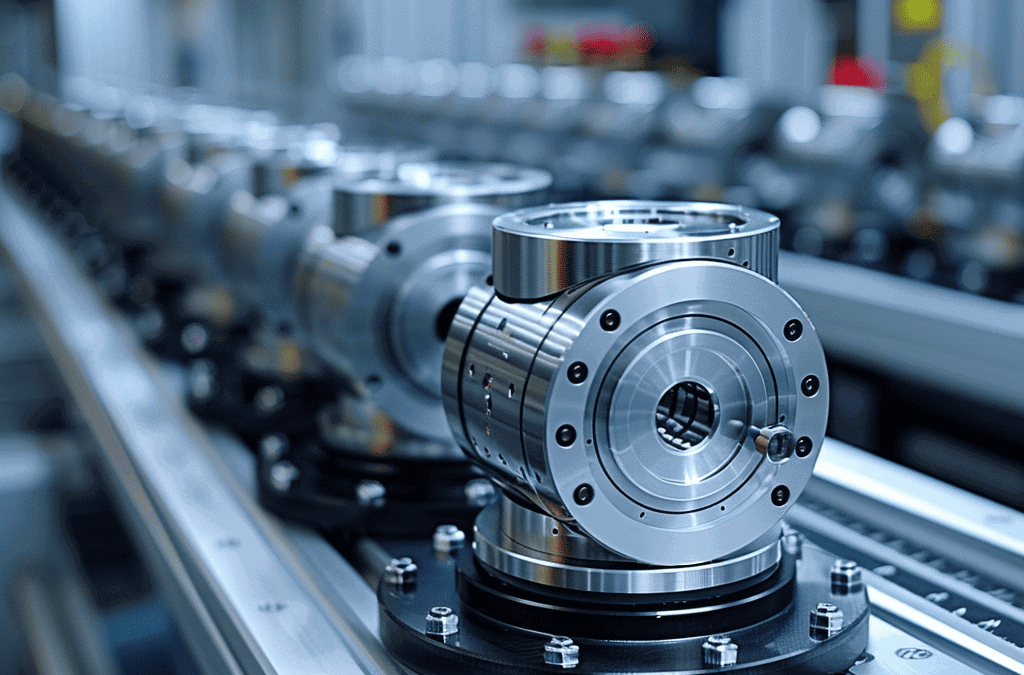
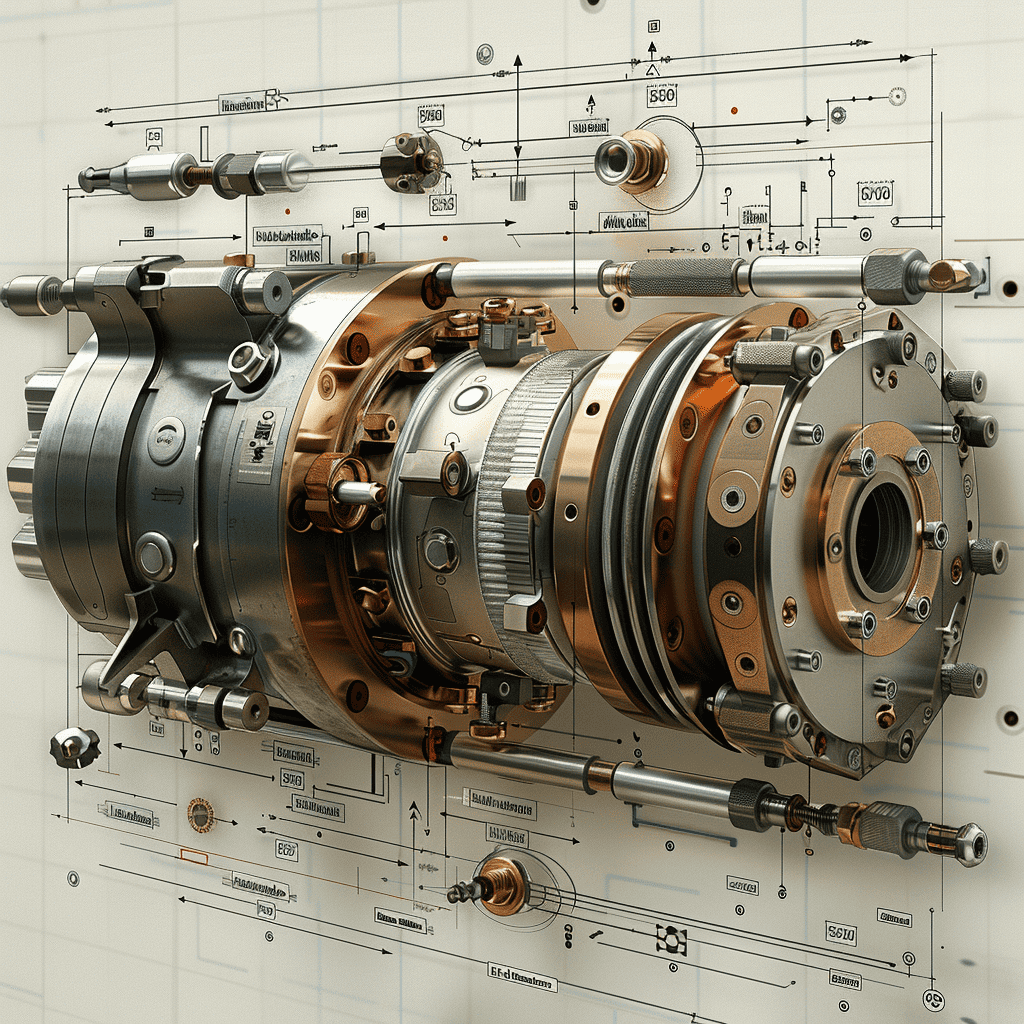
Pneumatic rotating actuators are mechanical devices that convert the energy of compressed air into rotary motion. These actuators are commonly used in industrial applications where precise and efficient control of motion is required. Pneumatic rotating actuators consist of a cylindrical body, a piston, and a rotating shaft. The compressed air enters the cylinder through an inlet port, causing the piston to move and rotate the shaft.
How Pneumatic Rotating Actuators Work: Linear Motion Transformed into Rotary Motion
When compressed air enters the cylinder of a pneumatic rotating actuator, it pushes against the piston, causing it to move. The movement of the piston is transferred to the rotating shaft through a series of **gears or cams**. The rotating shaft can then be used to drive a load, such as a valve or a conveyor system. By changing the direction of airflow through the actuator, the direction of rotation can be controlled.
Types of Pneumatic Rotating Actuators: Rack and Pinion vs. Vane Actuators
There are two main types of pneumatic rotating actuators: **rack and pinion** and **vane**. **Rack and pinion actuators** use a gear system to convert linear motion into rotary motion, while **vane actuators** use a series of vanes that are pushed outward by the compressed air, causing the shaft to rotate. Each type of actuator has its advantages and disadvantages, and the right one for a particular application will depend on factors such as speed, torque, and precision requirements.
Advantages of Pneumatic Rotating Actuators: Cost-Effective, Reliable, and Efficient
Pneumatic rotating actuators offer several advantages over other types of actuators. They are relatively simple and inexpensive to manufacture, and they can provide high levels of torque and speed. They are also highly reliable and require little maintenance. In addition, because they use compressed air as their power source, they can be used in environments where **electricity is not available or safe to use**.
Applications of Pneumatic Rotating Actuators: Industrial Automation and Beyond
Pneumatic rotating actuators are used in a wide range of industrial applications, including automation, robotics, and material handling. They are commonly used to control valves, conveyors, and other mechanical systems. They are also used in the automotive and aerospace industries, where precision and efficiency are critical. In addition, pneumatic rotating actuators are used in the food and beverage industry, where they are used to control mixing and packaging equipment.
Enhancing Efficiency with Pneumatic Rotating Actuators: Choosing the Right Actuator for Your Needs
In conclusion, pneumatic rotating actuators are an essential component of many industrial systems. Understanding how they work and their advantages can help engineers and technicians choose the right actuator for their needs. By selecting the right actuator and maintaining it properly, companies can improve efficiency, reduce downtime, and increase profits. **Factors to consider when choosing a pneumatic rotating actuator include speed, torque, precision, and environment**.
The Benefits of Pneumatic Rotating Actuators: A Cost-Effective Solution for Industrial Automation
Overall, the use of pneumatic rotating actuators is a cost-effective solution for industries that require precise and efficient motion control. With their simple design, high reliability, and low maintenance requirements, they are an ideal choice for a wide range of applications. As technology continues to advance, it is likely that pneumatic rotating actuators will become even more versatile and efficient, making them an even more valuable tool for industrial automation.
By utilizing the benefits of pneumatic rotating actuators, companies can stay ahead of the competition and ensure that their operations are running at peak efficiency. Whether it’s automating manufacturing processes or improving the precision of robotic systems, pneumatic rotating actuators are an essential component of modern industrial systems. With the right knowledge and expertise, businesses can harness the power of these actuators to achieve their goals and drive success.

Benefits of Using Pneumatic Rotating Actuators in Industrial Applications
Pneumatic rotating actuators are a popular choice for industrial applications due to their numerous advantages. They offer increased efficiency and productivity, enhanced precision and control, improved safety and reliability, reduced maintenance and lower costs, and versatility and flexibility. In this blog post, we will delve deeper into these benefits and explore why businesses should consider using pneumatic rotating actuators in their operations.
Increased Efficiency and Productivity
Pneumatic rotating actuators offer a significant advantage in terms of efficiency and productivity. They use compressed air as their power source, which allows for fast and easy activation, resulting in faster cycle times and increased throughput. Moreover, their compact size and lightweight design enable easy integration into existing systems, minimizing the need for costly modifications. This means businesses can achieve higher output with lower costs, resulting in improved profitability. Additionally, pneumatic rotating actuators can be easily automated, allowing for seamless integration into production lines and reducing the need for manual labor.
Enhanced Precision and Control
Another advantage of pneumatic rotating actuators is their ability to provide precise and accurate motion control. This is especially important in applications where precise positioning is critical, such as in automation, robotics, and material handling. By using a pneumatic rotating actuator, businesses can achieve precise movements with minimal error, leading to improved product quality and reduced waste. This level of precision is achieved through the use of high-quality components and advanced control systems, ensuring that the actuator operates smoothly and accurately. Moreover, pneumatic rotating actuators can be customized to meet specific application requirements, such as stroke length and speed, allowing for greater flexibility and versatility.
Improved Safety and Reliability
Pneumatic rotating actuators are also safer and more reliable than other types of actuators. They do not generate sparks or heat, making them safe for use in hazardous environments. Additionally, their simple design and minimal moving parts reduce the risk of failure and downtime. This can lead to significant cost savings and improved productivity. Moreover, pneumatic rotating actuators are designed to operate in harsh conditions, including exposure to dust, dirt, and moisture, making them ideal for use in industrial environments. They also have built-in safety features such as overload protection and emergency stops, ensuring safe operation even in critical applications.
Reduced Maintenance and Lower Costs
Another benefit of pneumatic rotating actuators is their low maintenance requirements. They have fewer moving parts than other types of actuators, which means they are less prone to wear and tear. This results in a longer lifespan and reduced maintenance costs. Additionally, pneumatic rotating actuators do not require expensive electrical components or wiring, further reducing costs. By using pneumatic rotating actuators, businesses can minimize downtime and reduce their overall cost of ownership. Moreover, pneumatic rotating actuators are energy-efficient, reducing energy consumption and lowering operating costs.
Versatility and Flexibility
Pneumatic rotating actuators are highly versatile and flexible, making them an ideal choice for a wide range of applications. They can be used for simple on/off switching as well as more complex motion control. Additionally, they can be easily integrated into existing systems, making them an ideal choice for businesses looking to upgrade their equipment without making significant modifications. Pneumatic rotating actuators are available in various sizes and configurations, allowing businesses to choose the right actuator for their specific needs. They can also be customized to meet specific application requirements, such as temperature, pressure, and stroke length.
Industries that Benefit from Pneumatic Rotating Actuators
Pneumatic rotating actuators are used in a wide range of industries, including:
- Automotive: Pneumatic rotating actuators are used in automotive manufacturing for tasks such as welding, painting, and assembly.
- Food and beverage: In the food and beverage industry, pneumatic rotating actuators are used for tasks such as bottling, packaging, and processing.
- Pharmaceuticals: Pneumatic rotating actuators are used in the pharmaceutical industry for tasks such as filling, capping, and labeling.
- Energy: In the energy sector, pneumatic rotating actuators are used for tasks such as valve control and process automation.
- Aerospace: Pneumatic rotating actuators are used in the aerospace industry for tasks such as landing gear, flap, and slat control.
- Semiconductor: In the semiconductor industry, pneumatic rotating actuators are used for tasks such as wafer handling and processing.
By choosing the right pneumatic rotating actuator for their specific needs, businesses in these industries can improve their operations, reduce costs, and maximize their productivity.
Choosing the Right Pneumatic Rotating Actuator
When selecting a pneumatic rotating actuator, it is essential to consider the specific requirements of the application and choose a high-quality actuator from a reputable manufacturer. Some factors to consider include:
- Load capacity: Ensure that the actuator can handle the required load.
- Speed: Choose an actuator with the appropriate speed for the application.
- Accuracy: Select an actuator with the required level of precision.
- Environmental conditions: Consider the operating conditions and choose an actuator that can withstand the environment.
- Maintenance requirements: Opt for an actuator with low maintenance requirements.
By carefully considering these factors, businesses can select the right pneumatic rotating actuator for their needs and maximize the benefits of this powerful technology.
Maintenance and Troubleshooting
To ensure optimal performance and prolong the lifespan of pneumatic rotating actuators, regular maintenance is essential. This includes checking and replacing air filters, lubricating moving parts, and inspecting for leaks. Additionally, troubleshooting common issues such as slow or erratic movement, excessive noise, and reduced efficiency can help prevent downtime and reduce maintenance costs. By following a regular maintenance schedule and addressing issues promptly, businesses can ensure that their pneumatic rotating actuators operate at peak performance and maximize their return on investment.
Pneumatic rotating actuators offer numerous benefits for industrial applications, including increased efficiency and productivity, enhanced precision and control, improved safety and reliability, reduced maintenance and lower costs, and versatility and flexibility. By carefully considering the specific requirements of their application and selecting a high-quality actuator from a reputable manufacturer, businesses can maximize the benefits of this powerful technology. Regular maintenance and prompt troubleshooting can also help ensure optimal performance and prolong the lifespan of pneumatic rotating actuators.

Choosing the Right Pneumatic Rotating Actuator for Your Needs: Enhancing Efficiency and Precision
Pneumatic rotating actuators are essential components for many industrial and automation applications, providing precise and efficient control of mechanical systems. These actuators convert air pressure into rotary motion, enabling precise movement and positioning of loads. When selecting a pneumatic rotating actuator, it is crucial to consider your specific application requirements to ensure maximum performance and efficiency.
Understanding Your Application Requirements: Load Size, Speed, Torque, and Operating Environment
Before selecting a pneumatic rotating actuator, it is essential to have a clear understanding of your application requirements. This includes factors such as the load size and weight, speed and torque requirements, and operating environment. By carefully considering these factors, you can determine the type and size of actuator that will best meet your needs.
Types of Pneumatic Rotating Actuators: Rack and Pinion vs. Vane
There are two main types of pneumatic rotating actuators: rack and pinion and vane. Each type has its unique advantages and disadvantages, making them suitable for different applications.
Rack and Pinion Actuators
Rack and pinion actuators use a gear system to convert linear motion into rotary motion. They are known for their high accuracy and repeatability, making them an ideal choice for applications that require precise positioning and control. Additionally, rack and pinion actuators are available in various configurations, including **double-acting**, **spring-return**, and **non-rotating**, providing flexibility in design and functionality.
Vane Actuators
Vane actuators use a series of vanes to convert air pressure into rotary motion. They are well-suited for applications that require high torque and fast response times. Vane actuators are also highly durable and resistant to wear and tear, making them ideal for heavy-duty industrial applications.
Selecting the Right Actuator Size: Load Size, Speed, and Torque Requirements
Once you have determined the type of actuator that is best suited for your application, you will need to select the right size. This involves considering factors such as the load size and weight, speed and torque requirements, and available space. By selecting the right size actuator, you can ensure that it will provide the necessary power and performance while also fitting within the constraints of your system.
Considering Operating Environment and Maintenance Requirements: Temperature, Humidity, Dust, and Maintenance
Another critical factor to consider when choosing a pneumatic rotating actuator is the operating environment. This includes factors such as temperature, humidity, and exposure to dust and other contaminants. By selecting an actuator that is designed for your specific operating environment, you can ensure that it will provide reliable performance and require minimal maintenance.
Additionally, it is essential to consider the maintenance requirements of the actuator. Regular maintenance and inspection can help prevent downtime and ensure that your system is always running at peak efficiency. When selecting an actuator, look for features such as **self-lubricating bearings** and easy access to service points to simplify maintenance tasks.
Working with a Reputable Supplier or Manufacturer for Custom Solutions and Support
Finally, it is important to work with a reputable supplier or manufacturer when selecting a pneumatic rotating actuator. This can help ensure that you are getting a high-quality product that is designed to meet your specific needs. Additionally, a reputable supplier can provide valuable guidance and support throughout the selection and installation process, helping to ensure that your system is optimized for maximum performance and efficiency.
Choosing the right pneumatic rotating actuator for your needs is an important decision that can have a significant impact on the performance and efficiency of your system. By carefully considering your application requirements, selecting the right type and size of actuator, and working with a reputable supplier, you can ensure that you are getting a high-quality product that will provide reliable performance and require minimal maintenance. With the right pneumatic rotating actuator, you can take your operations to the next level and achieve your goals more effectively.

Maximizing Efficiency with Proper Maintenance and Troubleshooting Techniques for Pneumatic Rotating Actuators: Essential Tasks for Optimal Performance
Regular Maintenance and Inspection for Optimal Performance
Pneumatic rotating actuators are essential components in many industrial applications, and their efficiency is critical to the overall performance of the system. To ensure that your actuator operates at peak efficiency, regular maintenance and inspection are crucial. **Lubricating moving parts** with the correct lubrication type, checking for leaks, and inspecting **seals and O-rings** for wear and damage are some of the essential tasks that should be performed regularly. By doing so, you can **identify potential issues** before they become major problems, reducing downtime and extending the life of your actuator.
Proper Installation and Alignment for Accuracy and Repeatability
Proper installation and alignment are also critical to ensuring the efficiency of your pneumatic rotating actuator. **Proper mounting** techniques, aligning the actuator with the load, and ensuring that it is **properly centered** are essential steps to take during installation. By properly installing and aligning your actuator, you can reduce wear and tear on moving parts, improve accuracy and **repeatability**, and extend the life of your actuator.
Maintaining Correct Air Pressure and Flow Rate for Energy Efficiency
Maintaining the correct air pressure and flow rate is also crucial to maximizing the efficiency of your pneumatic rotating actuator. Ensuring that the air supply is **clean and dry**, and that the pressure and flow rate are set to the manufacturer’s specifications are essential steps to take. By maintaining the correct air pressure and flow rate, you can improve the performance and reliability of your actuator, reduce energy consumption, and extend its life.
Troubleshooting Common Issues for Minimizing Downtime
Troubleshooting common issues is also important to maximizing the efficiency of your pneumatic rotating actuator. Identifying and addressing issues such as leaks, noise, and reduced performance can help you quickly identify and address problems, reducing downtime and improving the overall efficiency of your system. Regular inspection and maintenance can help prevent these issues from occurring in the first place.
Working with a Reputable Supplier or Manufacturer for Quality and Support
Finally, working with a reputable supplier or manufacturer can help you maximize the efficiency of your pneumatic rotating actuator. A reputable supplier can provide valuable guidance and support, helping you to **select the right actuator** for your needs, and providing maintenance and troubleshooting support throughout its lifecycle. By working with a reputable supplier, you can ensure that you are getting a high-quality product that is designed to meet your specific needs, and that you have access to the support and resources you need to keep it running at its best.
Proper maintenance and troubleshooting techniques are critical to maximizing the efficiency of your pneumatic rotating actuator. By performing regular maintenance and inspection, ensuring proper installation and alignment, maintaining the correct air pressure and flow rate, troubleshooting common issues, and working with a reputable supplier or manufacturer, you can improve the performance and reliability of your actuator, reduce downtime, and extend its life. With the right maintenance and troubleshooting strategies in place, you can take your operations to the next level and achieve your goals more effectively. By following best practices for maintenance and troubleshooting, and working with a reputable supplier or manufacturer, you can ensure that your actuator is always running at its best. With the right strategies in place, you can improve the performance and reliability of your system, reduce downtime, and achieve your goals more effectively. By making the most of your pneumatic rotating actuator, you can take your operations to the next level and stay ahead of the competition.


